Vehicle Setup Differences
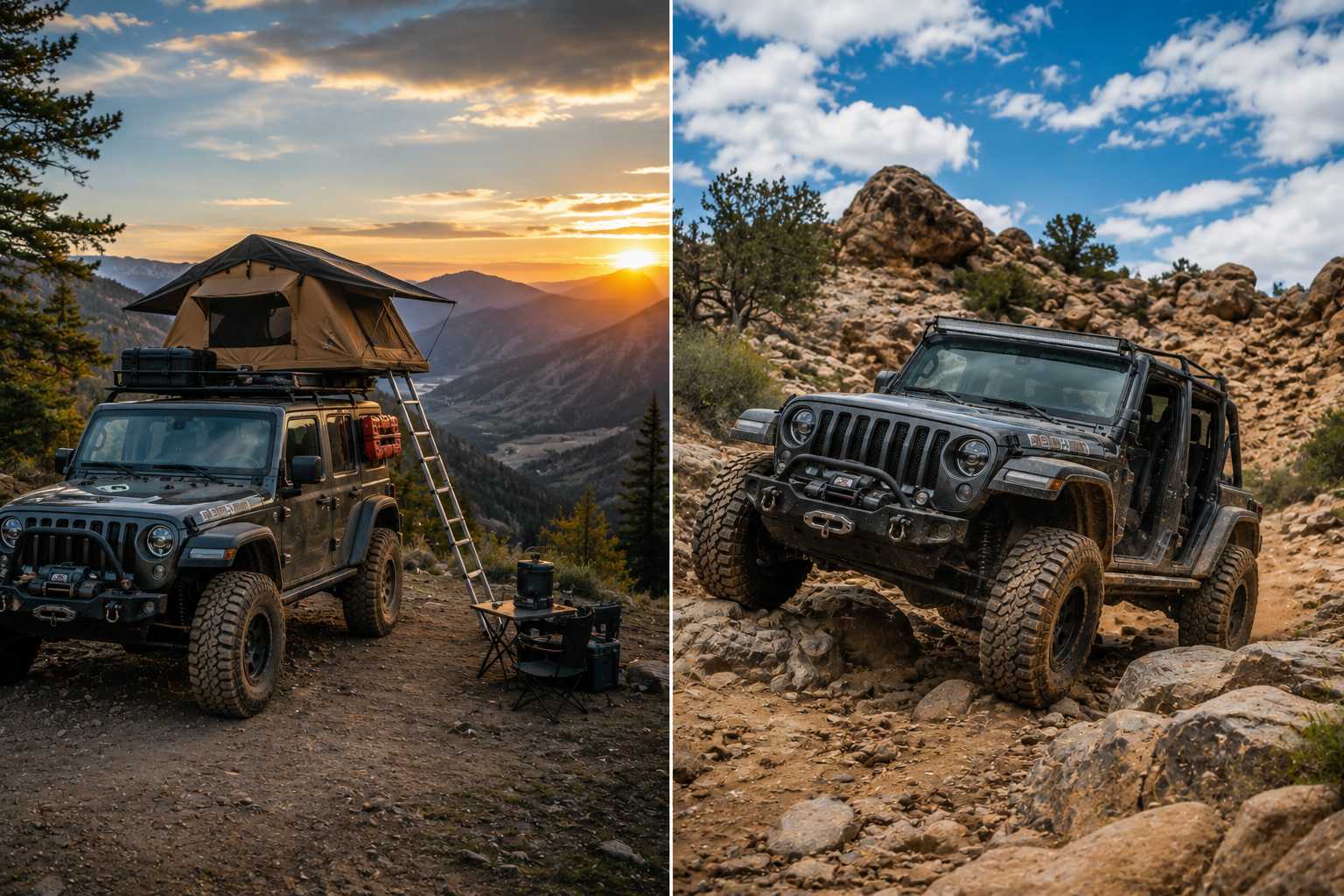
Off-Roading Builds Focus On:
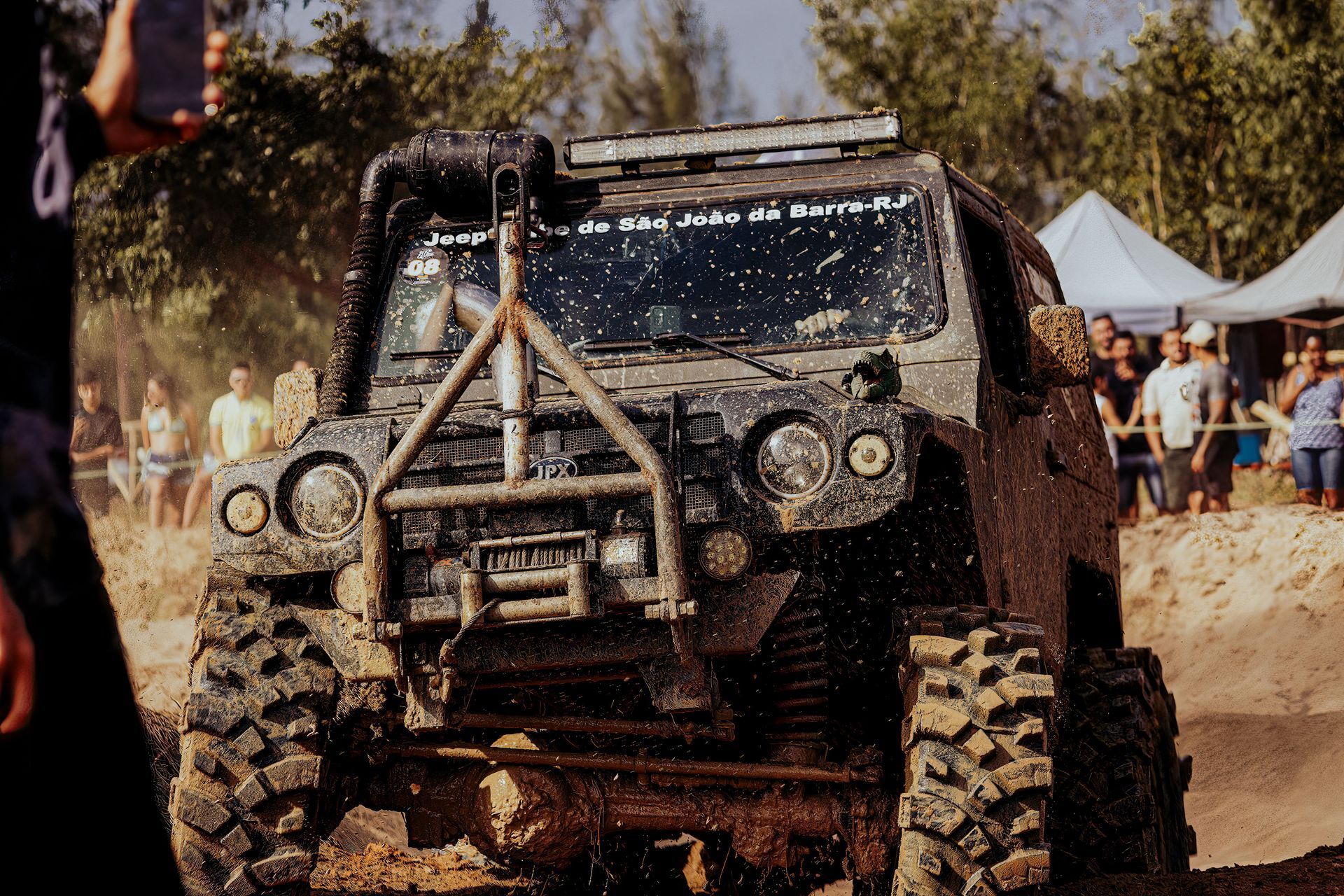
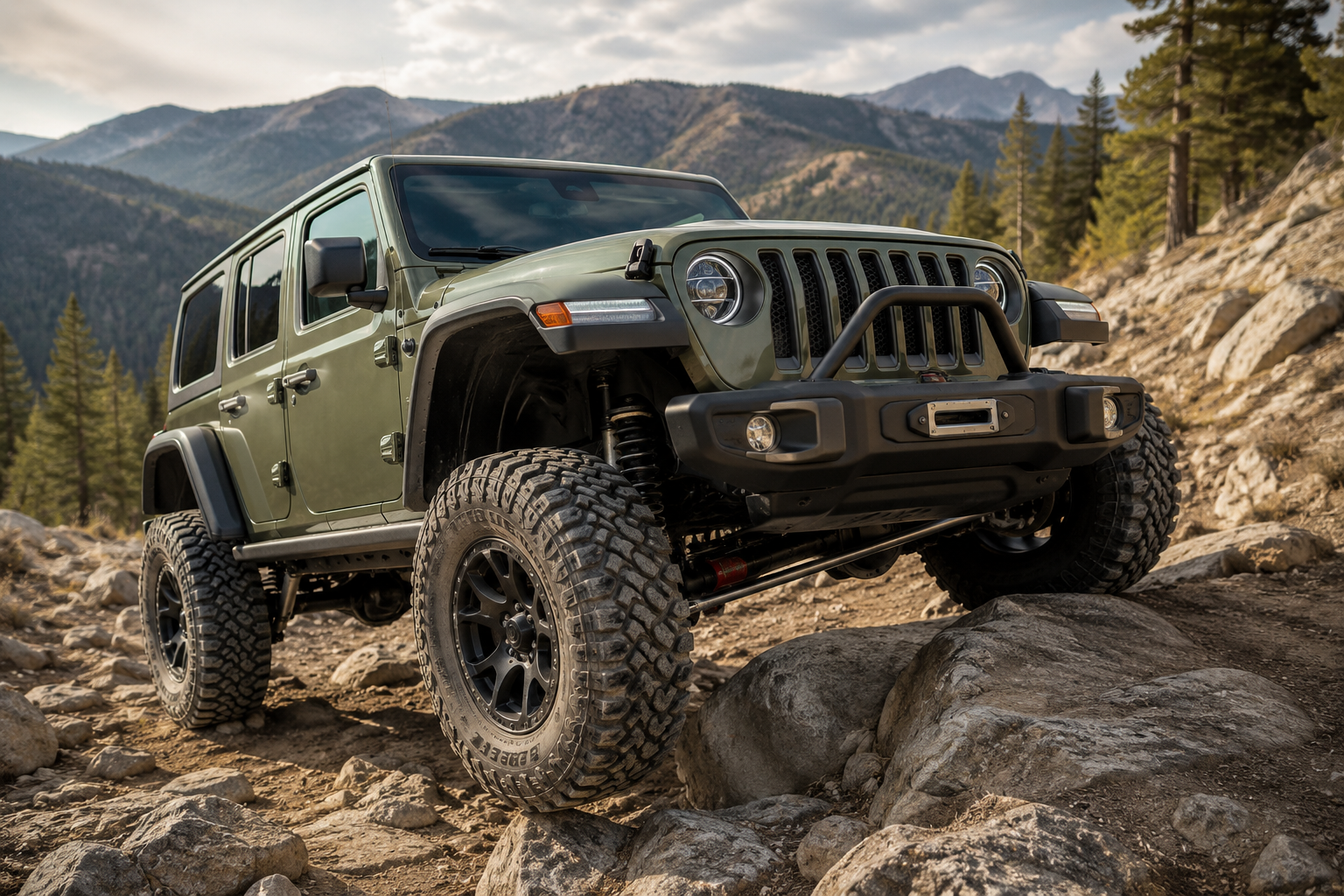
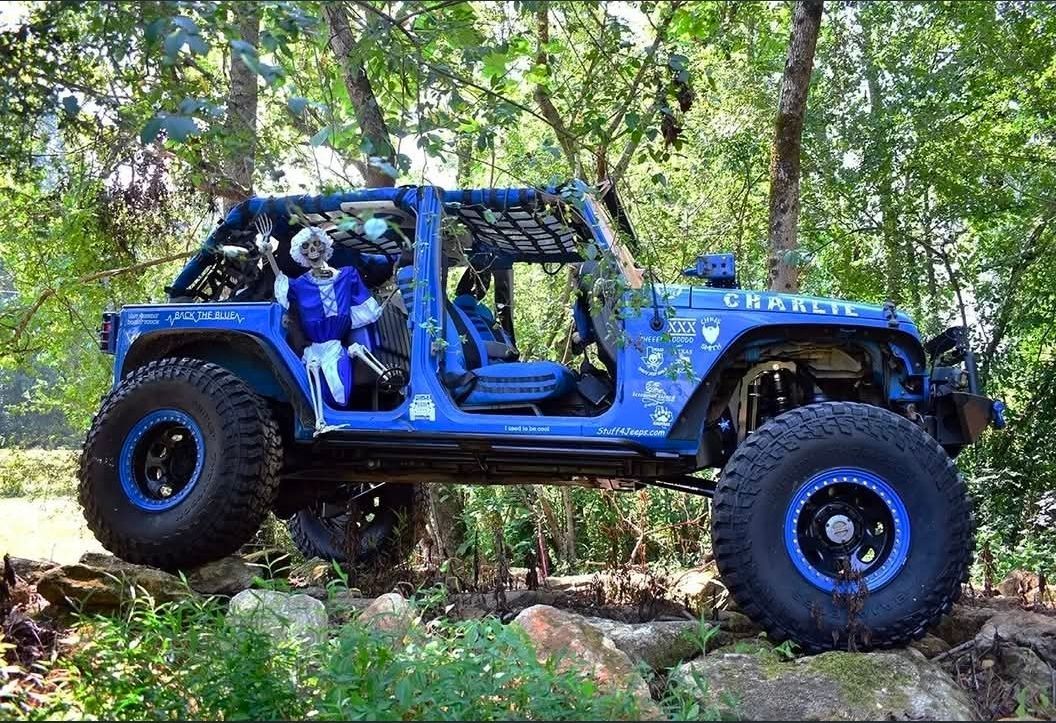
- Lift kits
- Larger tires (35s–37s)
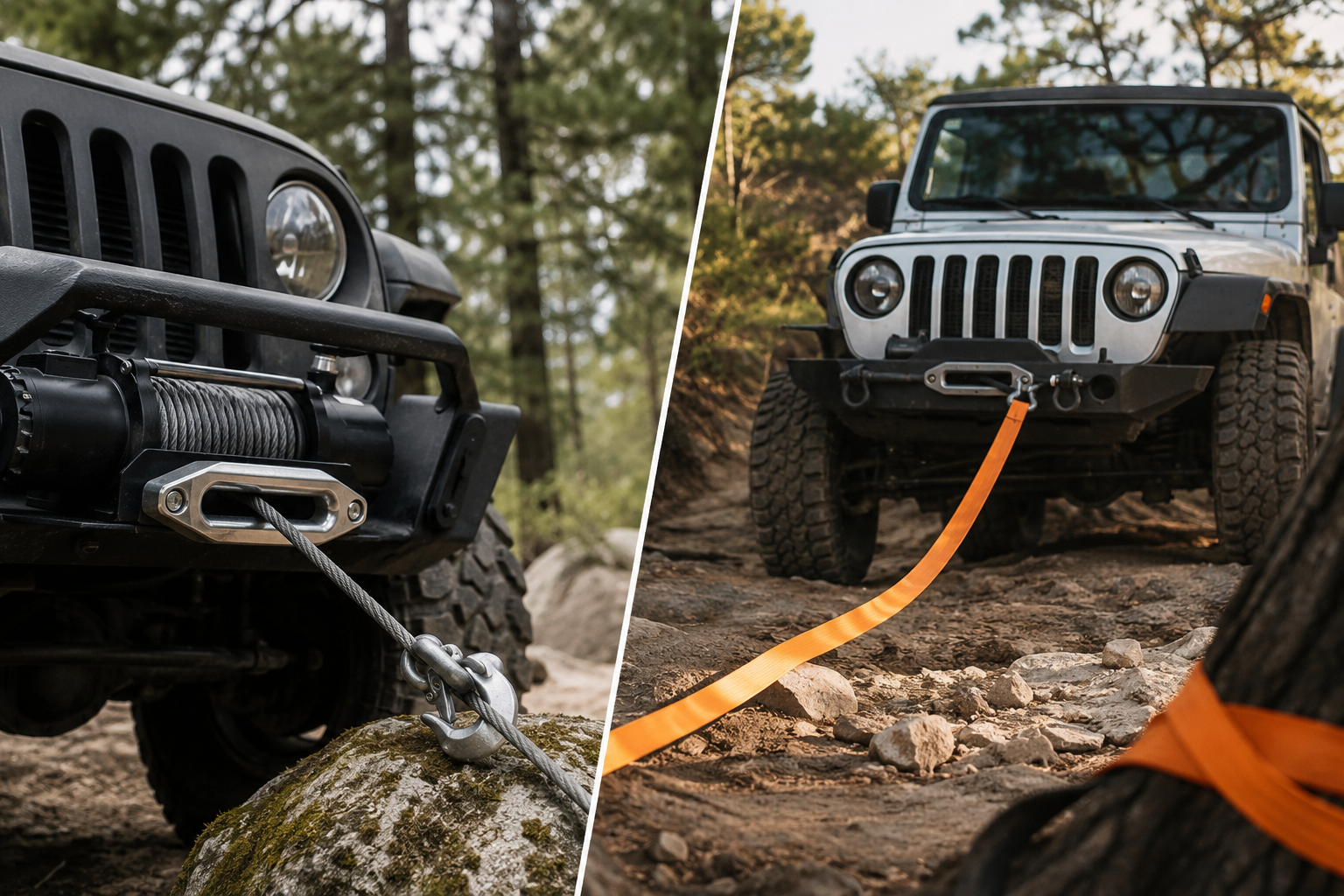
- Winches and recovery gear
- Skid plates and armor
- Suspension articulation
These builds are designed to handle difficult terrain.
Overlanding Builds Focus On:
- Storage systems
- Roof racks and tents
- Water and food storage
- Power systems (solar, batteries)
- Comfort and durability
These builds are designed for long-term travel and camping.
Which One Is Better for North Georgia?
The answer depends on your goals—but North Georgia is actually perfect for both.
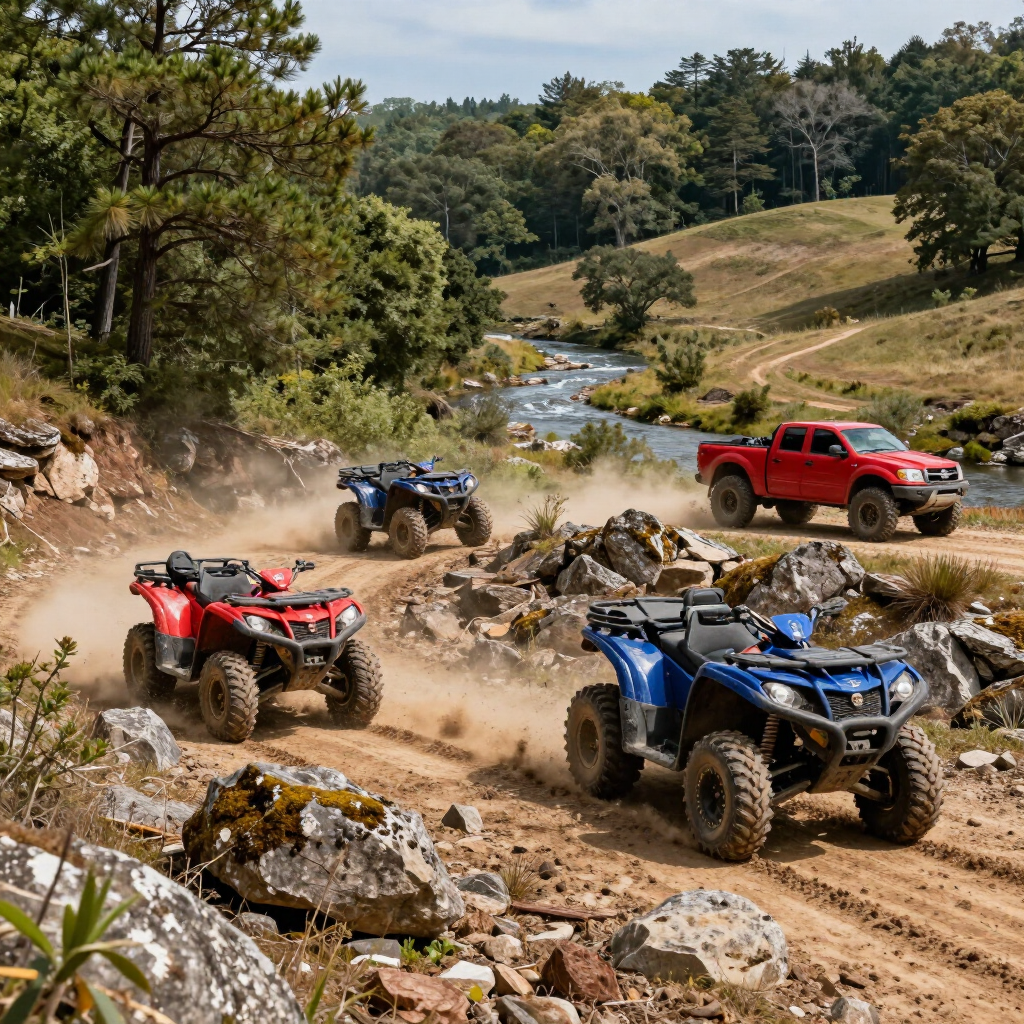
Off-Roading in North Georgia:
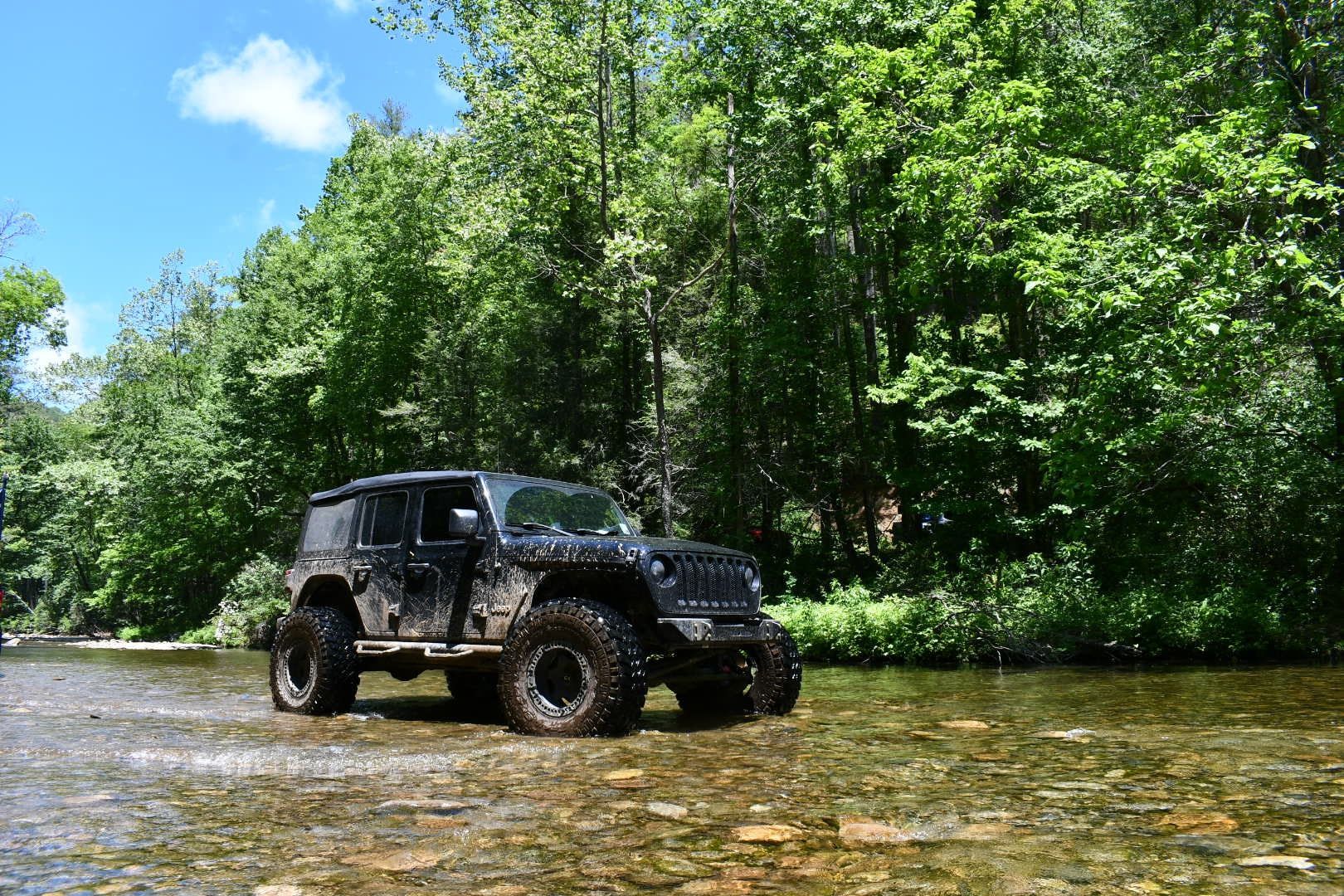
- Tight forest trails
- Rocky climbs
- Mud sections after rain
- Private obstacle courses (like ours)
Overlanding in North Georgia:
- Scenic forest service roads
- Creekside camping
- Mountain overlooks
- Multi-day exploration routes
At Mountain Adventure Outfitters, many customers end up doing both.
Can You Do Both With One Jeep?
Yes—and most people do.
A balanced build might include:
- 2.5”–3.5” lift
- 33”–35” tires
- Basic recovery gear
- Simple camping setup
This allows you to:
- Hit trails during the day
- Camp at night
- Explore without overbuilding your rig
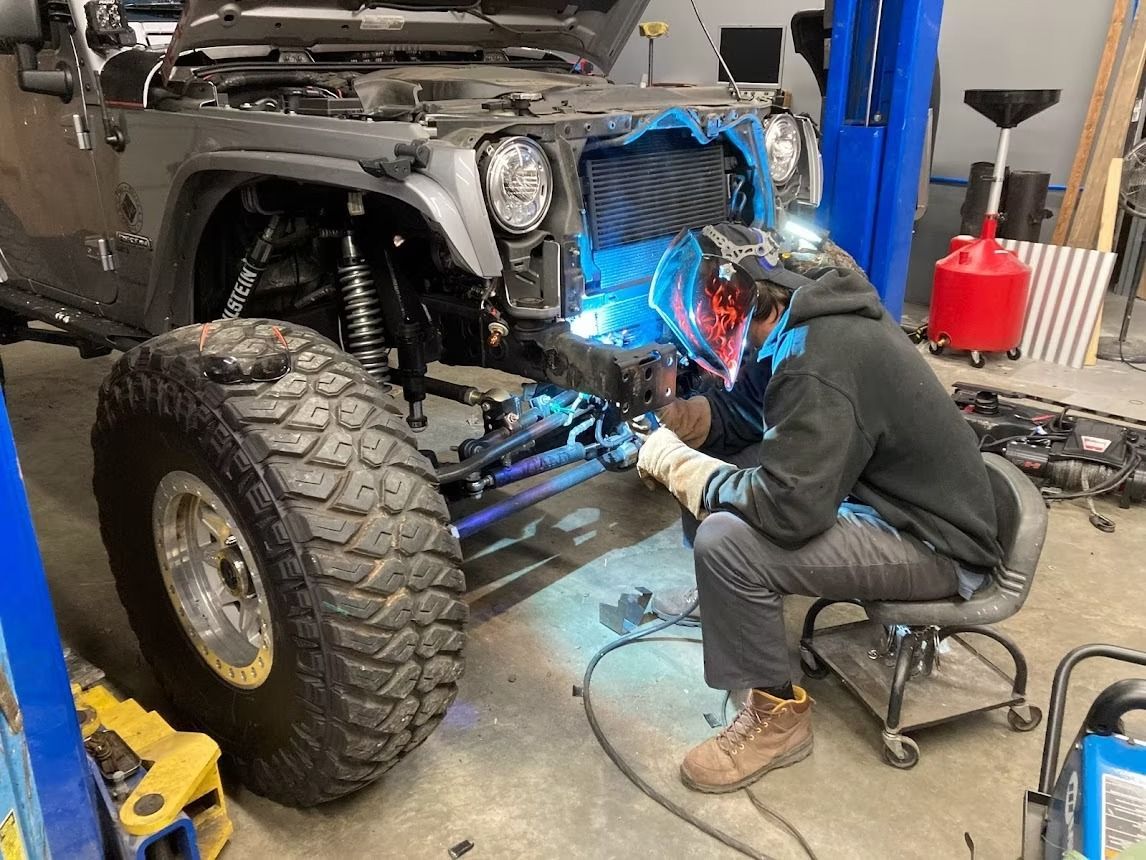
We help customers create builds that do both:
Jeep Services – https://www.mtnjeeps.com/jeep-services
Pros and Cons of Each
Off-Roading Pros:
- High excitement and adrenaline
- Skill-based driving
- Short time commitment
- Immediate results and fun
Off-Roading Cons:
- Higher risk of vehicle damage
- Requires technical skill
- Less focus on comfort
Overlanding Pros:
- Relaxed, immersive experience
- Great for families and groups
- Combines travel and camping
- Lower stress on vehicle
Overlanding Cons:
- Requires more gear
- Longer planning time
- Less focus on challenging driving
What Gear Do You Need?
Off-Roading Essentials:
- Winch or recovery straps
- Tow points
- Air compressor
- Tire deflator
- Skid plates
Overlanding Essentials:
- Tent (roof or ground)
- Cooking setup
- Water storage
- Cooler or fridge
- Lighting and power
How to Get Started
If You Want to Try Off-Roading:
Start with:
- Beginner trails
- Basic recovery gear
- Stock or lightly modified Jeep
Practice in a controlled environment like our private park:
Adventure Club – https://www.mtnjeeps.com/adventure-club
If You Want to Try Overlanding:
Start with:
- Short overnight trips
- Simple camping gear
- Easy-access forest roads
Build your setup gradually as you learn what you need.
Common Mistakes
1. Overbuilding Too Early
You don’t need a fully built rig to get started.
2. Buying the Wrong Gear
Match your gear to your style—don’t buy everything at once.
3. Ignoring Comfort (Overlanding)
If you're camping, comfort matters more than extreme capability.
4. Ignoring Capability (Off-Roading)
If you're hitting trails, your Jeep needs to be properly equipped.
FAQs About Overlanding vs. Off-Roading
Can beginners do both?
Yes. Start simple and build experience in each area.
Which is more expensive?
Overlanding can cost more due to camping gear, but off-roading builds can also get expensive with mods.
Do I need a lift kit for overlanding?
Not necessarily. Many overlanders run mild lifts or even stock setups.
Which is safer?
Both are safe when done properly. Overlanding is generally lower risk, while off-roading requires more technical skill.
Find Your Style—Or Build Your Own
You don’t have to choose just one path.
Many Jeep owners start with off-roading and naturally move into overlanding—or combine both into a hybrid lifestyle.
At Mountain Adventure Outfitters, we help you:
- Build your Jeep for your goals
- Learn trail skills safely
- Access private trails and camping
- Grow into the off-road lifestyle
Ready to Start Your Adventure?
Whether you want to:
- Hit technical trails
- Camp by the creek
- Explore North Georgia
- Build a capable Jeep
We’ve got everything you need.