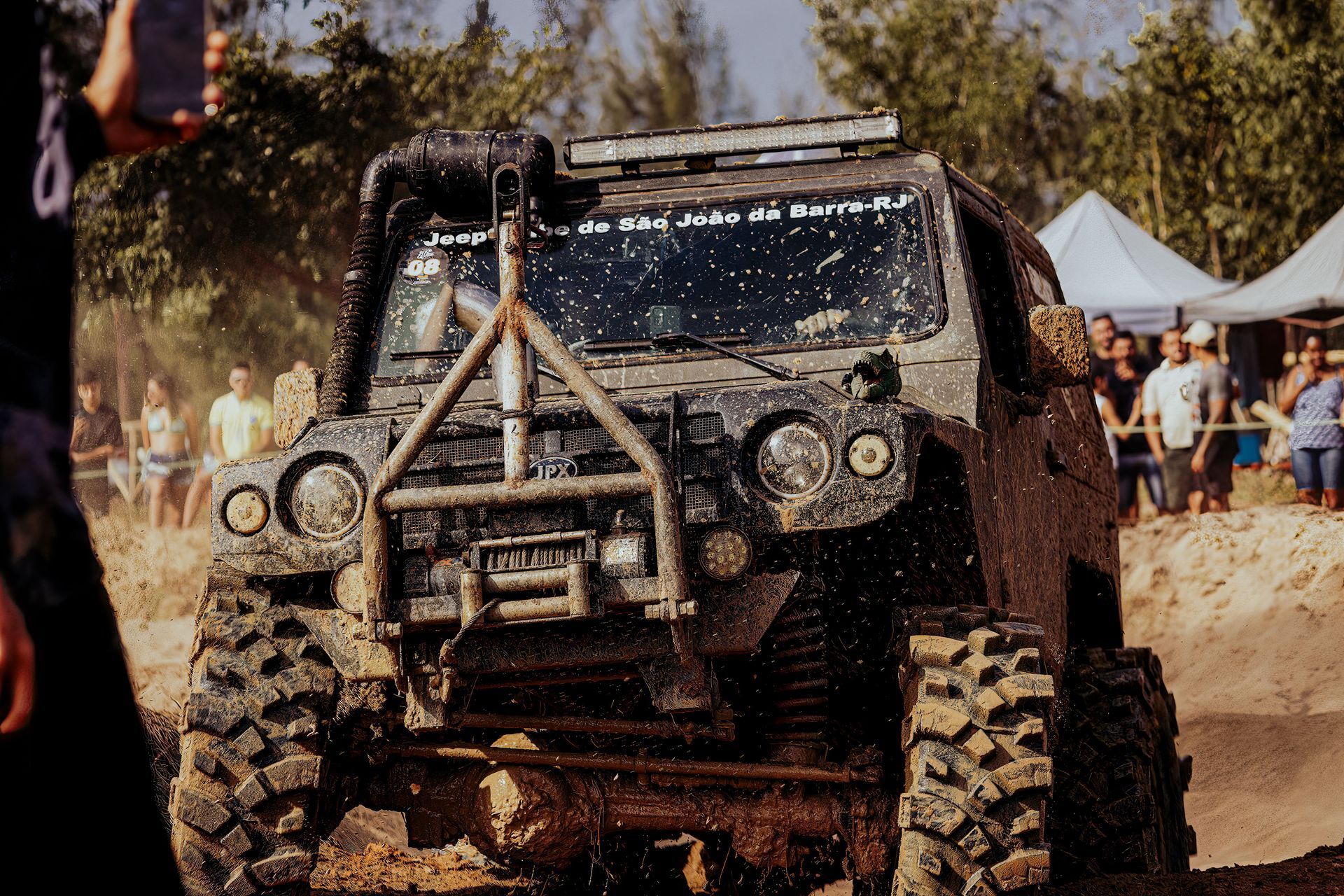
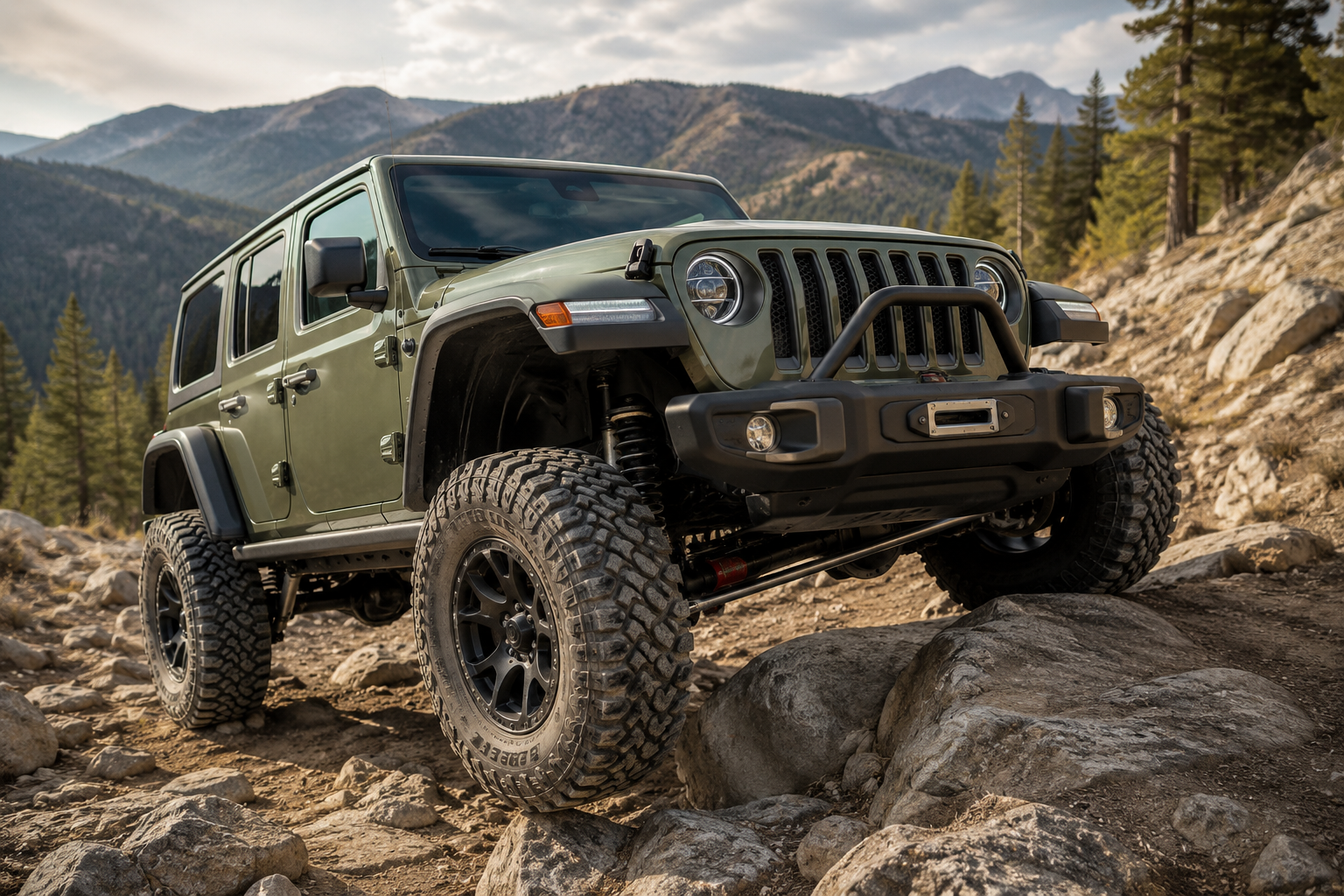
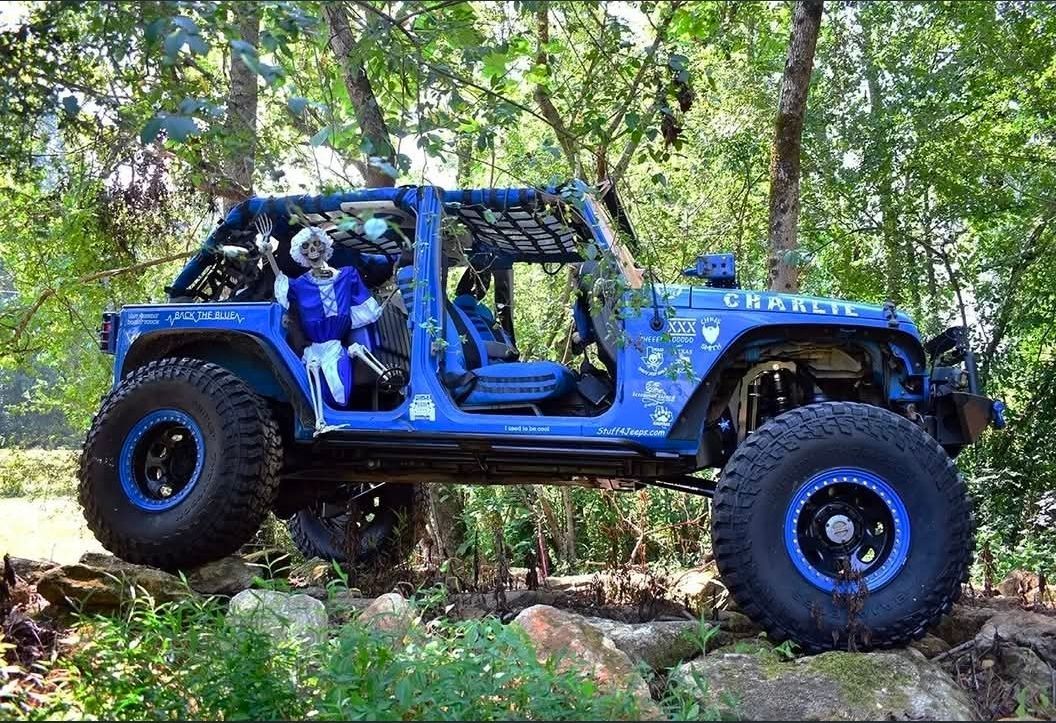
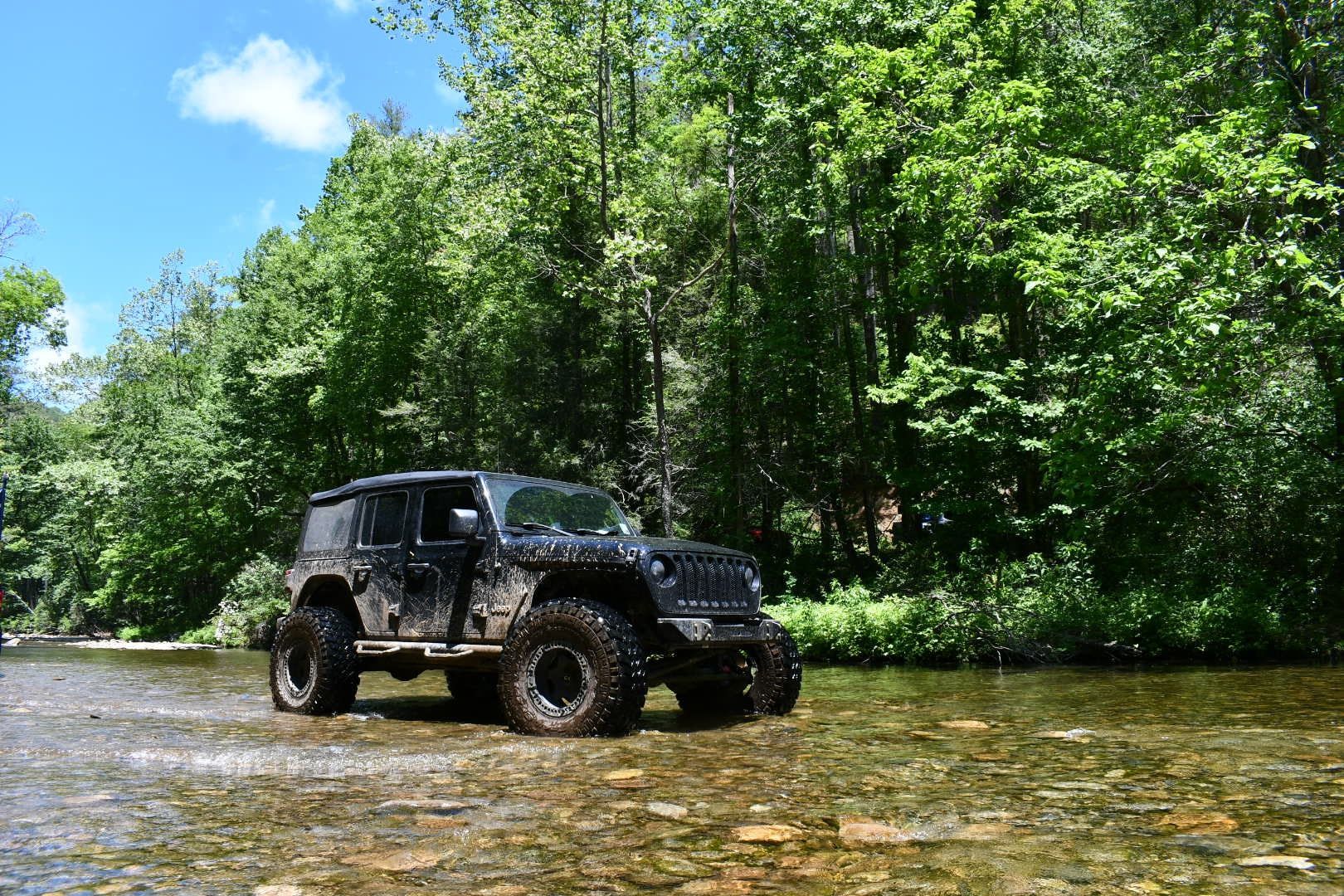
A great day on the trail often ends with mud on your tires, dirt under your Jeep, and a big smile on your face. But what you do
after your off-road adventure is just as important as the ride itself.
Off-roading puts extra stress on your Jeep—on everything from suspension and tires to fluids and electrical systems. Skipping post-trail maintenance can lead to costly repairs, reduced performance, and even safety issues.
At Mountain Adventure Outfitters, we help Jeep owners across North Georgia keep their rigs in peak condition. This checklist will walk you through exactly what to inspect, clean, and maintain after every trail ride.
Why Post-Trail Maintenance Matters
Off-road conditions expose your Jeep to:
- Mud and debris buildup
- Water intrusion
- Loose bolts and components
- Increased wear on suspension and drivetrain
- Hidden damage
Regular maintenance helps you:
- Catch issues early
- Extend the life of your Jeep
- Maintain performance and safety
- Avoid expensive repairs
Step 1: Wash Your Jeep (Properly)
It might sound simple, but cleaning your Jeep after a trail ride is critical.
Focus Areas:
- Undercarriage
- Axles and suspension
- Wheel wells
- Skid plates
- Brake components
Why It Matters:
Mud and dirt trap moisture, which can lead to:
- Rust
- Corrosion
- Premature wear
Use a pressure washer if possible, but avoid spraying directly into seals or electrical components.
Step 2: Inspect Tires and Wheels
Your tires take the most abuse on the trail.
Check for:
- Cuts, punctures, or sidewall damage
- Embedded rocks or debris
- Uneven wear
- Proper tire pressure (air back up if needed)
Don’t Forget:
- Inspect your spare tire
- Check lug nuts for proper torque
If you aired down for the trail, make sure your tires are back to highway-safe pressure before driving long distances.
Step 3: Check Suspension and Steering Components
Off-roading can loosen or stress suspension parts.
Inspect:
- Shocks for leaks
- Springs for damage or shifting
- Control arms and bushings
- Tie rods and steering links
- Track bars
What to Look For:
- Loose bolts
- Unusual noises
- Visible wear or damage
If something feels off while driving, don’t ignore it—get it checked immediately.
Step 4: Look Under the Jeep
A quick visual inspection underneath your Jeep can reveal a lot.
Check:
- Skid plates for dents or damage
- Differential housings
- Driveshafts
- Exhaust system
- Fluid leaks
Small issues caught early can prevent major repairs later.
Step 5: Inspect Fluids
Off-road driving can put extra strain on your Jeep’s fluids.
Check:
- Engine oil
- Transmission fluid
- Brake fluid
- Coolant
- Differential fluid (especially after water crossings)
Warning Signs:
- Milky fluid (possible water contamination)
- Low levels
- Unusual smells
If you’ve done deep water crossings, it’s especially important to check for contamination.
Step 6: Clean and Check Brakes
Mud and debris can affect braking performance.
Inspect:
- Brake pads and rotors
- Brake lines
- Any buildup of dirt or grime
What to Watch For:
- Squeaking or grinding
- Reduced stopping power
A quick rinse and inspection can keep your braking system working properly.
Step 7: Inspect Recovery Gear
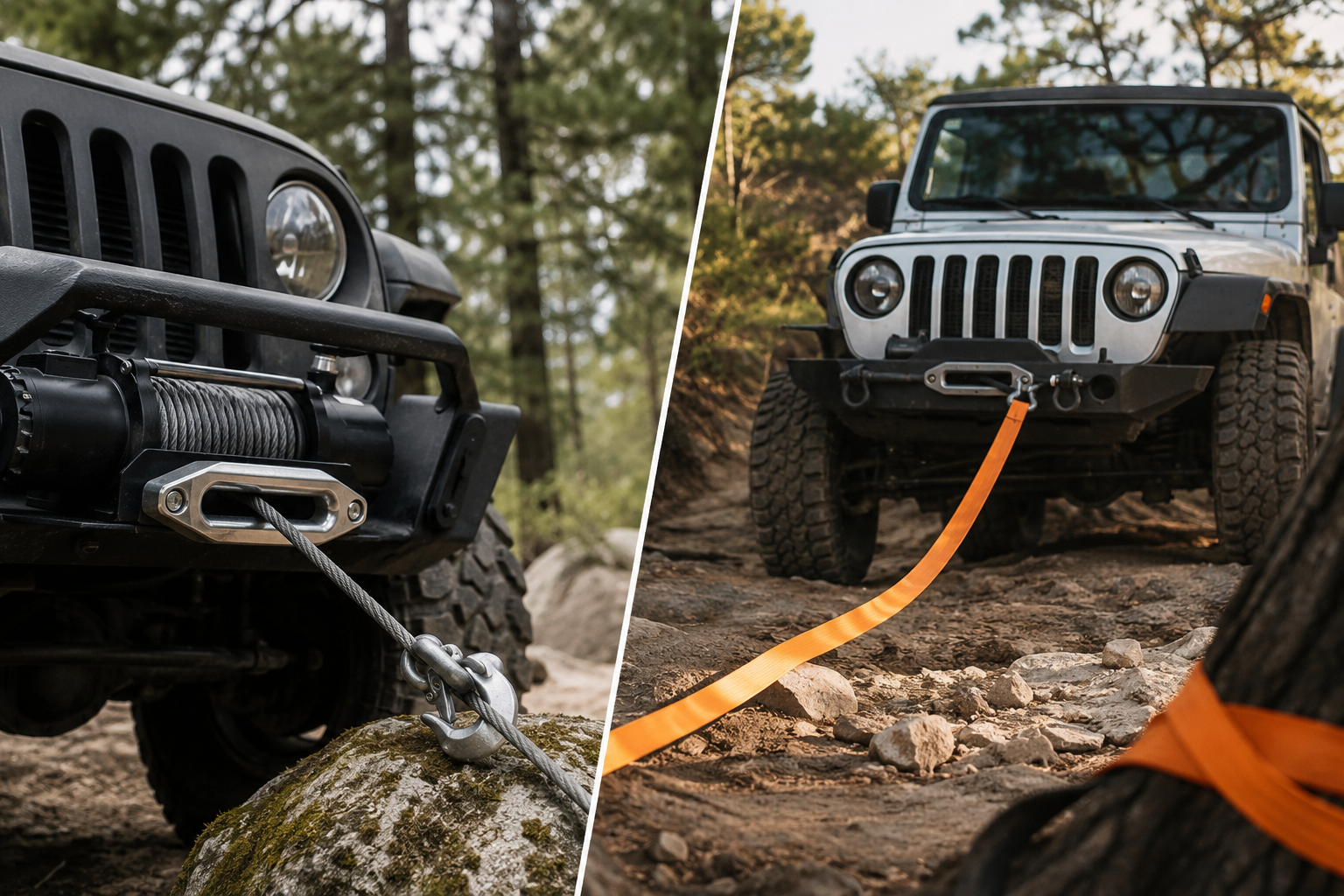
If you used recovery gear during your ride, don’t just throw it back in your Jeep.
Check:
- Straps for fraying or damage
- Shackles for cracks or deformation
- Winch line for wear
Why It Matters:
Damaged recovery gear can fail when you need it most.
Step 8: Check Electrical Components
Off-road conditions can affect wiring and electronics.
Inspect:
- Winch connections
- Light bars and wiring
- Battery terminals
- Switch panels
Look For:
- Loose connections
- Corrosion
- Water intrusion
Electrical issues are easier to fix early than after a complete failure.
Step 9: Re-Torque Critical Bolts
After a tough trail day, it’s a good idea to check key bolts.
Focus On:
- Lug nuts
- Suspension bolts
- Skid plate hardware
- Bumper mounts
Off-road vibrations can loosen hardware over time.
Step 10: Test Drive and Listen
Once everything looks good, take your Jeep for a short drive.
Pay Attention To:
- Steering feel
- Braking response
- Unusual noises
- Vibrations
If something doesn’t feel right, don’t ignore it.
When to Schedule Professional Service
Some issues aren’t visible during a quick inspection.
Schedule a professional check if:
- You notice unusual noises or vibrations
- Your Jeep feels different after a trail ride
- You’ve completed a difficult or extended trip
- You want peace of mind before your next adventure
Bonus: Seasonal Maintenance Tips
After Muddy Rides:
- Extra cleaning of undercarriage
- Check seals and joints
After Water Crossings:
- Inspect fluids for contamination
- Check electrical components
After Rocky Trails:
- Inspect skid plates and suspension
- Check alignment
FAQs About Post-Trail Jeep Maintenance
How often should I do this checklist?
After every off-road trip—especially if conditions were muddy, wet, or technical.
Can I skip cleaning if my Jeep isn’t that dirty?
No. Even small amounts of dirt and debris can cause long-term issues.
Do I need a professional inspection every time?
Not always, but regular checkups are recommended—especially if you off-road frequently.
What’s the most commonly missed issue?
Loose bolts and hidden undercarriage damage.
Protect Your Investment
Your Jeep is more than just a vehicle—it’s your ticket to adventure. Taking care of it after every trail ride ensures it’s ready for the next one.
A simple maintenance routine can:
- Prevent costly repairs
- Improve performance
- Extend the life of your Jeep
- Keep you safe on the trail
Keep Your Jeep Trail-Ready
At Mountain Adventure Outfitters, we help Jeep owners stay ready for every adventure with:
- Post-trail inspections
- Maintenance services
- Upgrade recommendations
- Trail testing and support
Call Today:
(706) 482-0022