Choosing the right tire size for your Jeep is one of the most important decisions you’ll make—whether you're upgrading for off-road performance, better looks, or both. But with so many options—33s, 35s, 37s—it’s easy to get overwhelmed.
The truth is, the “best” tire size depends on how you use your Jeep, your suspension setup, and the type of terrain you plan to drive.
At Mountain Adventure Outfitters, we help Jeep owners across North Georgia choose tire setups that actually perform on real trails—not just look good in a parking lot. This guide breaks it all down so you can make the right choice.
Why Tire Size Matters
Your tires directly impact:
- Ground clearance
- Traction
- Ride comfort
- Fuel efficiency
- Gear performance
- Overall capability
Bigger tires can improve off-road performance—but they also come with trade-offs.
Understanding Jeep Tire Sizes
When people say “33s” or “35s,” they’re referring to the tire’s overall diameter in inches.
Here’s a quick breakdown:
- 31”–32” tires: Close to stock
- 33” tires: First major upgrade
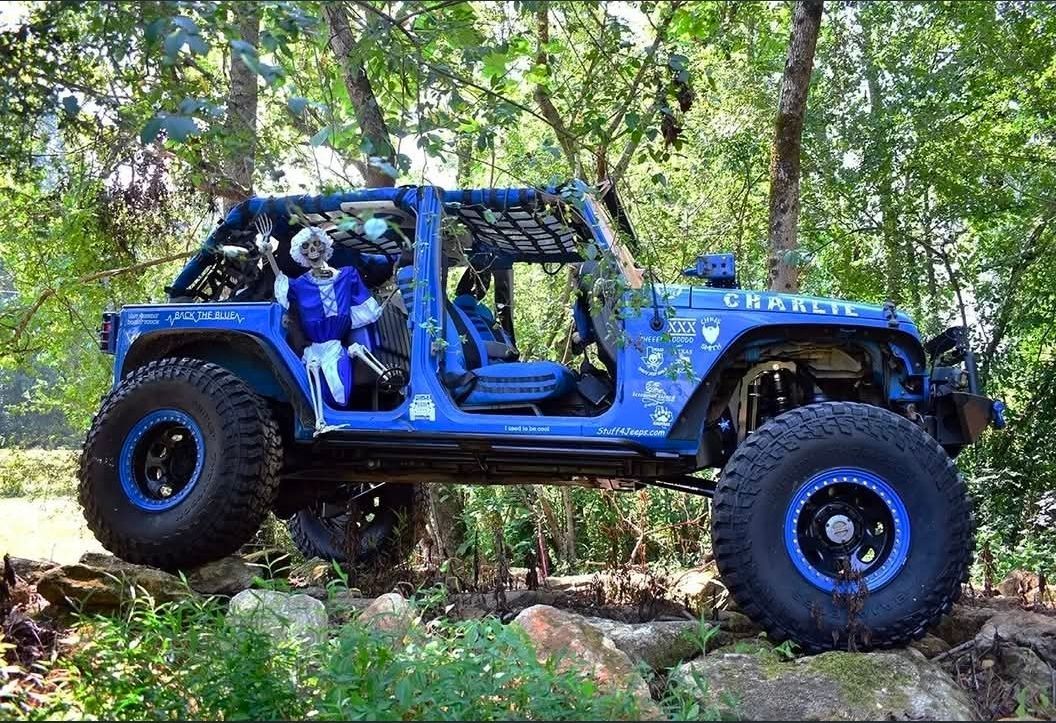
- 35” tires: Popular off-road choice
- 37”+ tires: Advanced builds
Each step up increases capability—but also complexity.
33-Inch Tires: The Best Starting Point
Why Choose 33s?
33-inch tires are the most common upgrade for Jeep owners—and for good reason.
Benefits:
- Improved ground clearance
- Better traction on trails
- Minimal impact on drivability
- Affordable compared to larger sizes
Requirements:
- May fit on stock suspension (depending on Jeep model)
- Often paired with a 2”–2.5” lift for best performance
Best For:
- Daily drivers
- Beginner to intermediate trails
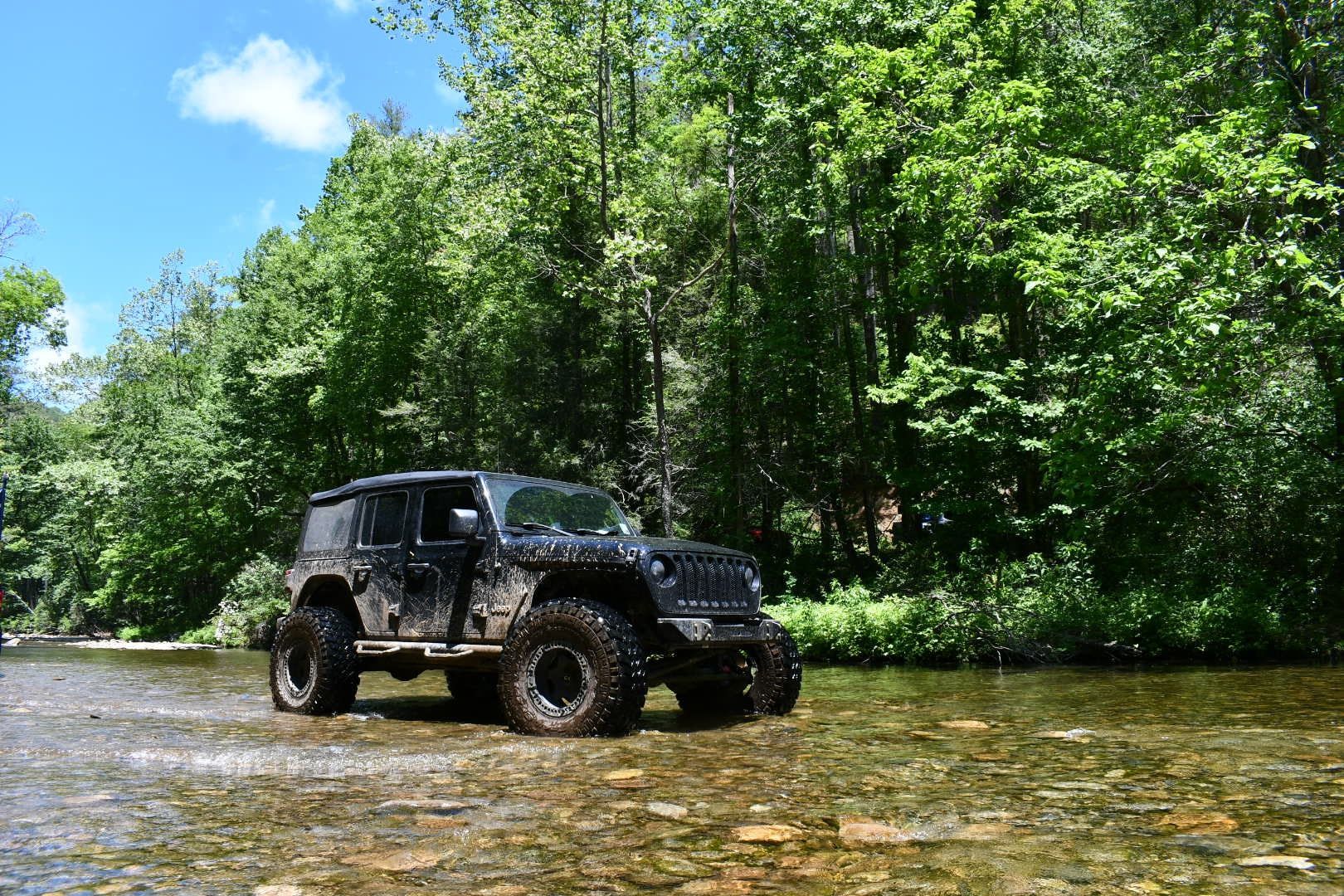
- North Georgia forest roads and light rock sections
If you're just getting into off-roading, 33s are a smart, balanced choice.
35-Inch Tires: The Sweet Spot
Why Choose 35s?
35-inch tires are considered the “sweet spot” for many Jeep builds. They offer a serious performance boost without going fully extreme.
Benefits:
- Excellent ground clearance
- Strong traction in mud, rocks, and uneven terrain
- Aggressive look
Requirements:
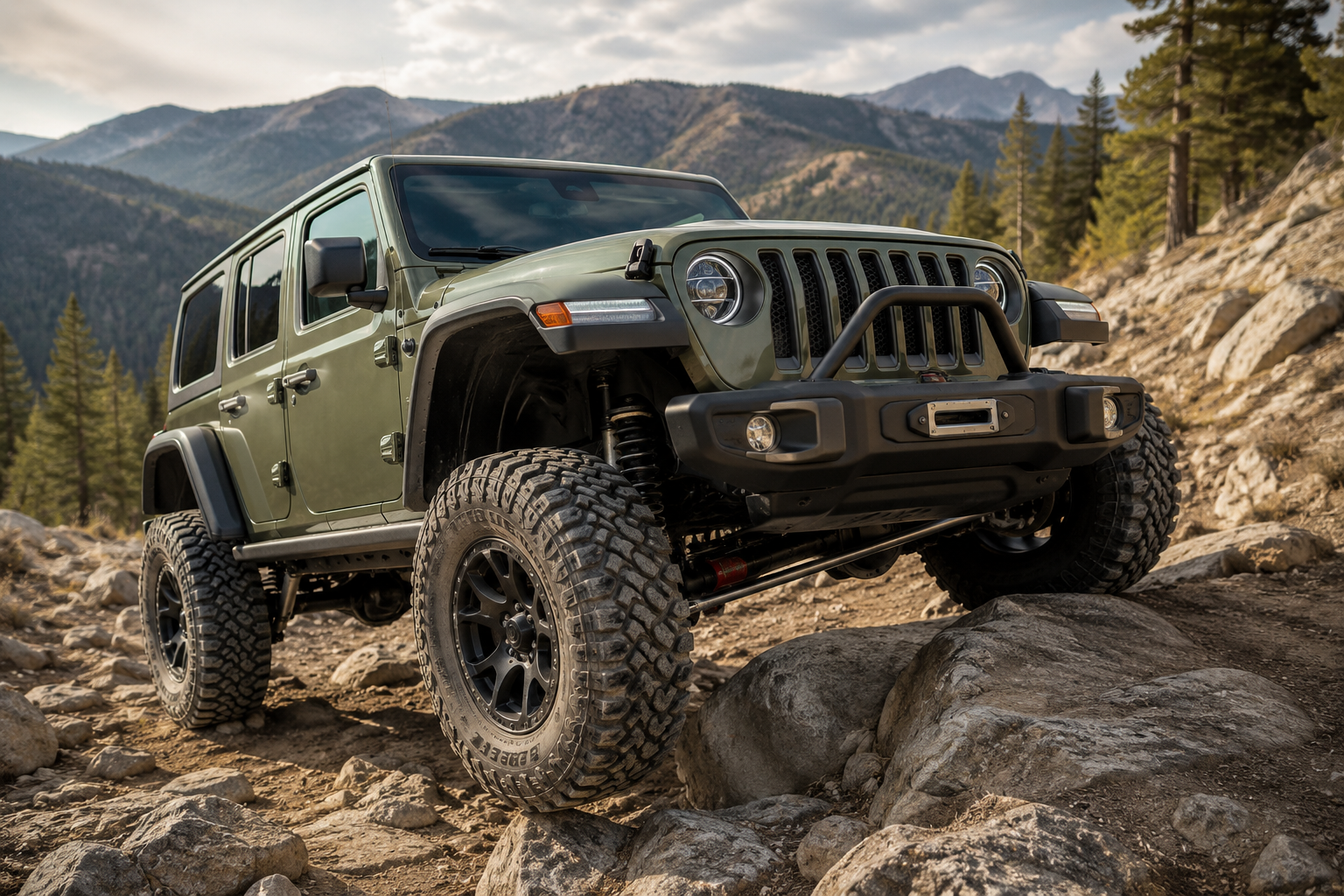
- 2.5”–3.5” lift recommended
- Possible need for regearing
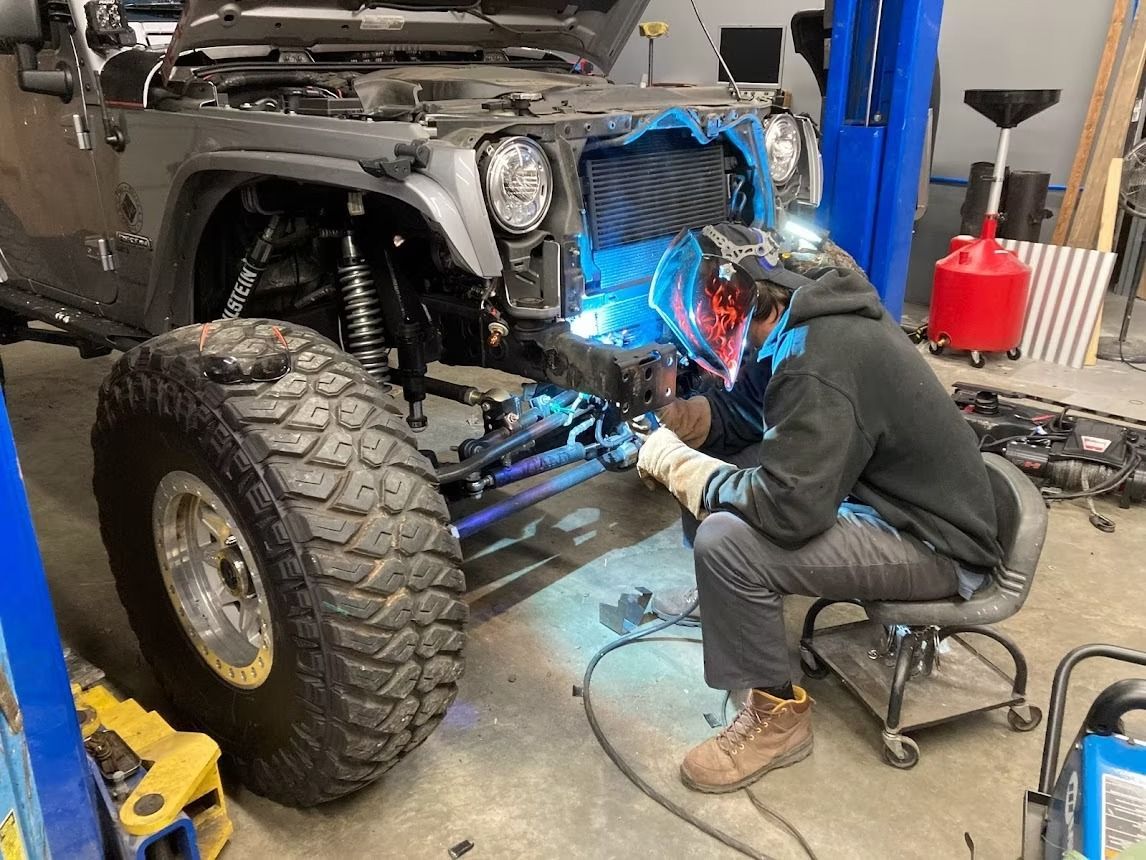
- Stronger braking and steering components
Best For:
- Regular off-roaders
- Moderate to difficult trails
- Jeep owners ready to upgrade performance
This is one of the most popular setups we install at Mountain Adventure Outfitters.
37-Inch Tires: Built for Serious Off-Roading
Why Choose 37s?
37s are for Jeep owners who want maximum capability.
Benefits:
- Extreme ground clearance
- Superior traction in tough conditions
- Dominates rocks, mud, and technical terrain
Requirements:
- 3.5”–4”+ lift
- Regearing is almost mandatory
- Upgraded axles, steering, and brakes
- Higher cost across the board
Best For:
- Experienced off-roaders
- Rock crawling and technical trails
- Dedicated trail rigs
For North Georgia terrain, 37s are powerful—but often more than most drivers need.
How Tire Size Affects Performance
Ground Clearance
Larger tires lift your axles higher off the ground, helping you avoid rocks and obstacles.
Traction
Bigger tires provide more contact with the terrain—especially when aired down.
Fuel Economy
Larger tires are heavier and create more resistance, which can reduce MPG.
Power & Acceleration
Without regearing, larger tires can make your Jeep feel sluggish.
Do You Need to Regear?
If you increase tire size significantly, your Jeep’s factory gear ratio may not be enough.
General Guidelines:
- 33” tires: Usually fine with stock gears
- 35” tires: Regearing recommended
- 37” tires: Regearing strongly recommended
Regearing restores:
- Acceleration
- Fuel efficiency
- Transmission performance
We offer gear upgrades tailored to your setup:
Jeep Services – https://www.mtnjeeps.com/jeep-services
Tire Types Matter Too
Size isn’t everything—you also need the right type of tire.
All-Terrain Tires
- Quiet on-road
- Good for mixed use
- Longer lifespan
Mud-Terrain Tires
- Aggressive tread
- Better grip in mud and rocks
- Louder on pavement
For North Georgia trails, many drivers prefer
hybrid all-terrain/mud-terrain tires for versatility.
Common Mistakes to Avoid
1. Choosing Size Based on Looks Alone
Bigger isn’t always better. Match your tire size to your actual use.
2. Skipping Supporting Mods
Larger tires often require suspension, gearing, and steering upgrades.
3. Ignoring Weight
Heavier tires affect braking, fuel economy, and drivetrain stress.
4. Not Testing Your Setup
Every Jeep behaves differently. Testing your setup on real terrain is key.
You can test your build at our private trail system:
Adventure Club – https://www.mtnjeeps.com/adventure-club
What Tire Size Is Best for North Georgia?
Based on our experience:
- 33s: Great for beginners and daily drivers
- 35s: Best overall performance and versatility
- 37s: Best for advanced, dedicated builds
Most of our customers settle on
35s with a 2.5”–3.5” lift—it handles everything from forest roads to technical trails.
FAQs About Jeep Tire Sizes
Can I fit 35s without a lift?
In most cases, no. You’ll likely experience rubbing. A proper lift is recommended.
Will bigger tires void my warranty?
It depends on the dealership and modification. Always check before upgrading.
How much do Jeep tires cost?
- 33s: $800–$1,200 (set)
- 35s: $1,200–$2,000
- 37s: $2,000+
Installation and balancing are additional.
How often should I rotate off-road tires?
Every 5,000–7,000 miles to ensure even wear.
Build Your Jeep the Right Way
Choosing the right tire size is about balance:
- Performance
- Comfort
- Budget
- Long-term reliability
-
At Mountain Adventure Outfitters, we help you build a setup that works for your lifestyle—not just what looks good online.
Ready to Upgrade Your Tires?
We offer:
- Tire and wheel packages
- Lift kit pairings
- Professional installation
- Gear upgrades
- Trail testing on-site
Call Today: (706) 482-0022
Get Started: https://www.mtnjeeps.com/jeep-services
Test Your Setup: https://www.mtnjeeps.com/adventure-club