If you just bought a Jeep—or you’ve had one for years but never taken it off-road—you’re missing out on what it was built for. Off-roading opens up a completely different driving experience, but it also comes with a learning curve.
The good news? You don’t need to be an expert to get started. With the right knowledge, preparation, and mindset, your first trail ride can be safe, controlled, and a whole lot of fun.
At Mountain Adventure Outfitters in North Georgia, we regularly help first-time drivers learn how to confidently take their Jeep off the pavement. This guide will walk you through everything you need to know before hitting the trail.
What Is Off-Road Driving?
Off-roading means driving your vehicle on unpaved surfaces like:
- Dirt trails
- Mud paths
- Rocky terrain
- Forest service roads
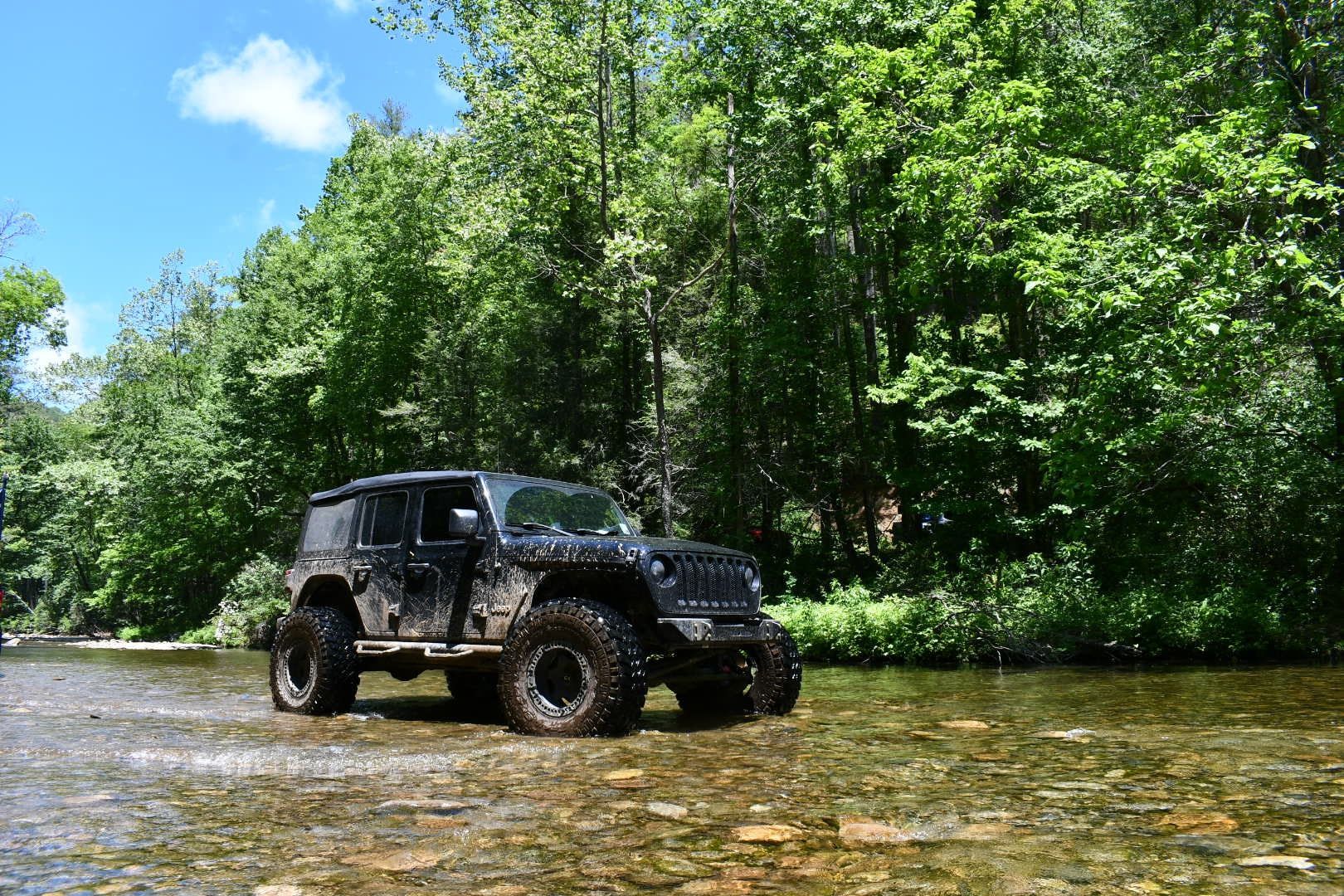
- Creek crossings
Unlike highway driving, off-roading requires slow speeds, careful tire placement, and constant awareness of terrain conditions. It’s less about speed—and more about control.
Understanding Your Jeep’s Capabilities
Before you hit the trail, it’s important to understand what your Jeep can do.
Most Jeeps come equipped with:
- 4WD (Four-Wheel Drive)
- High ground clearance
- Solid axles for better articulation
- Short wheelbase for maneuverability
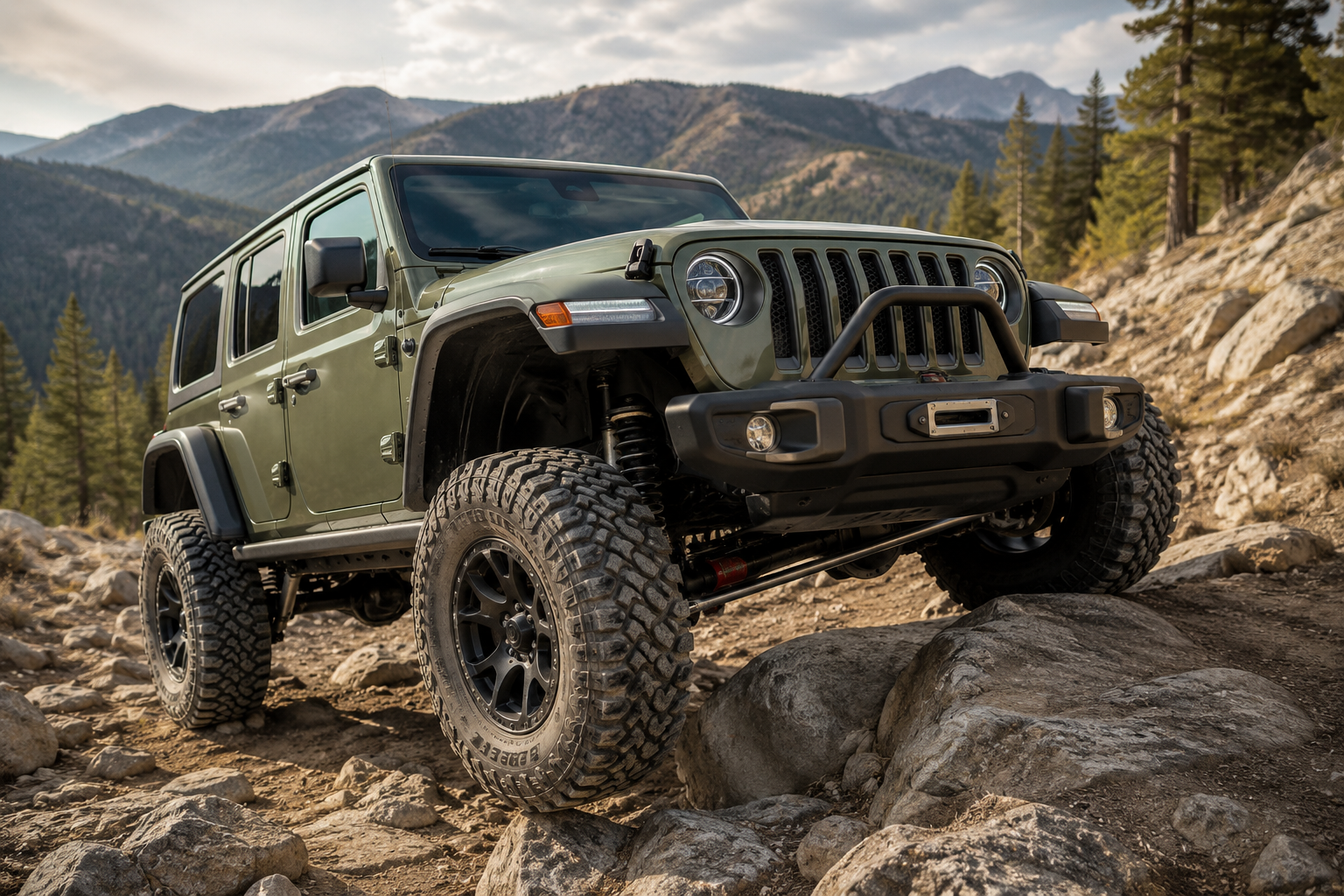
Even a stock Jeep is capable of handling beginner and moderate trails. You don’t need major upgrades to start—you just need to know how to use what you have.
4H vs. 4L: When to Use Each
One of the most important things to learn is when to use your Jeep’s drive modes.
4H (Four-High)
Use 4H for:
- Dirt roads
- Gravel trails
- Light mud
- Moderate terrain
It allows higher speeds while still providing traction.
4L (Four-Low)
Use 4L for:
- Steep climbs or descents
- Rock crawling
- Deep mud or sand
- Technical obstacles
4L gives you more torque and control at low speeds. You’ll use this often on tighter or more challenging sections.
Core Off-Road Driving Tips
1. Go Slow—Really Slow
The number one mistake beginners make is driving too fast. Off-roading is about control, not speed.
Driving slowly helps you:
- Maintain traction
- Avoid damage
- React to obstacles
- Keep passengers comfortable
If you feel rushed, you’re going too fast.
2. Pick Your Line Carefully
Your “line” is the path your tires take over obstacles.
Instead of driving straight at everything:
- Look ahead
- Choose the smoothest route
- Avoid large rocks or deep ruts when possible
- Keep your tires on high points for clearance
This is one of the most important skills in off-roading.
3. Use a Spotter
A spotter is someone outside your Jeep who helps guide you through obstacles.
They can:
- Help you avoid hitting rocks or trees
- Guide your tire placement
- Warn you about clearance issues
At our private off-road park, we often help beginners with spotting so they can learn safely.
4. Don’t Slam the Gas
Traction is everything. If your tires spin, you lose control.
Instead:
- Apply steady, gentle throttle
- Let your tires grip naturally
- Back up and try again if needed
Spinning tires can dig you deeper into mud or damage your vehicle.
5. Know When to Stop
Not every obstacle needs to be conquered—especially on your first trip.
It’s okay to:
- Take bypass routes
- Turn around
- Ask for help
Off-roading isn’t about proving anything. It’s about learning and enjoying the experience.
Common Terrain and How to Handle It
Mud
- Maintain steady momentum
- Avoid sudden stops
- Keep wheels straight when possible
Rocks
- Use 4L
- Crawl slowly
- Focus on tire placement
Hills
- Go straight up or down—never sideways
- Use low gear
- Avoid braking hard on descents
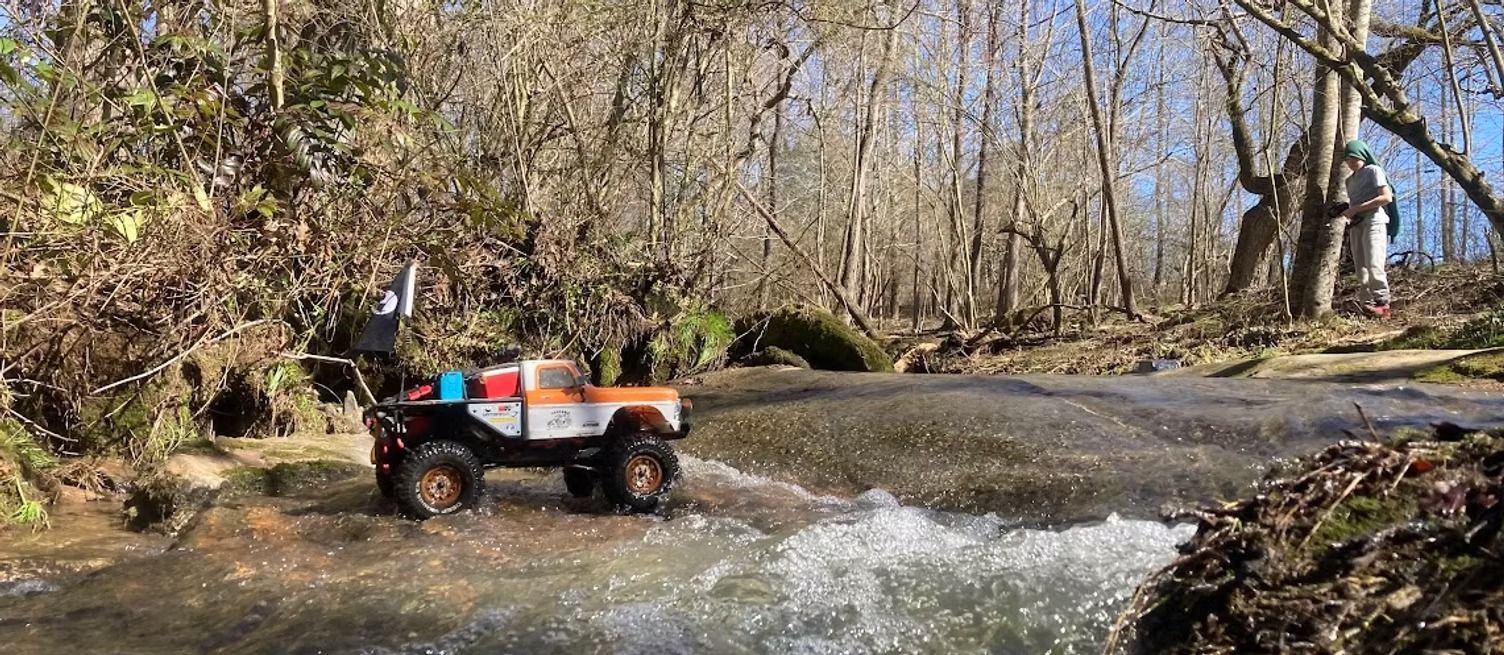
Water Crossings
- Check depth before entering
- Go slow to avoid splashing into engine components
- Keep a steady pace
What You Need for Your First Trail Ride
You don’t need a fully built Jeep—but you do need some basics.
Minimum Essentials:
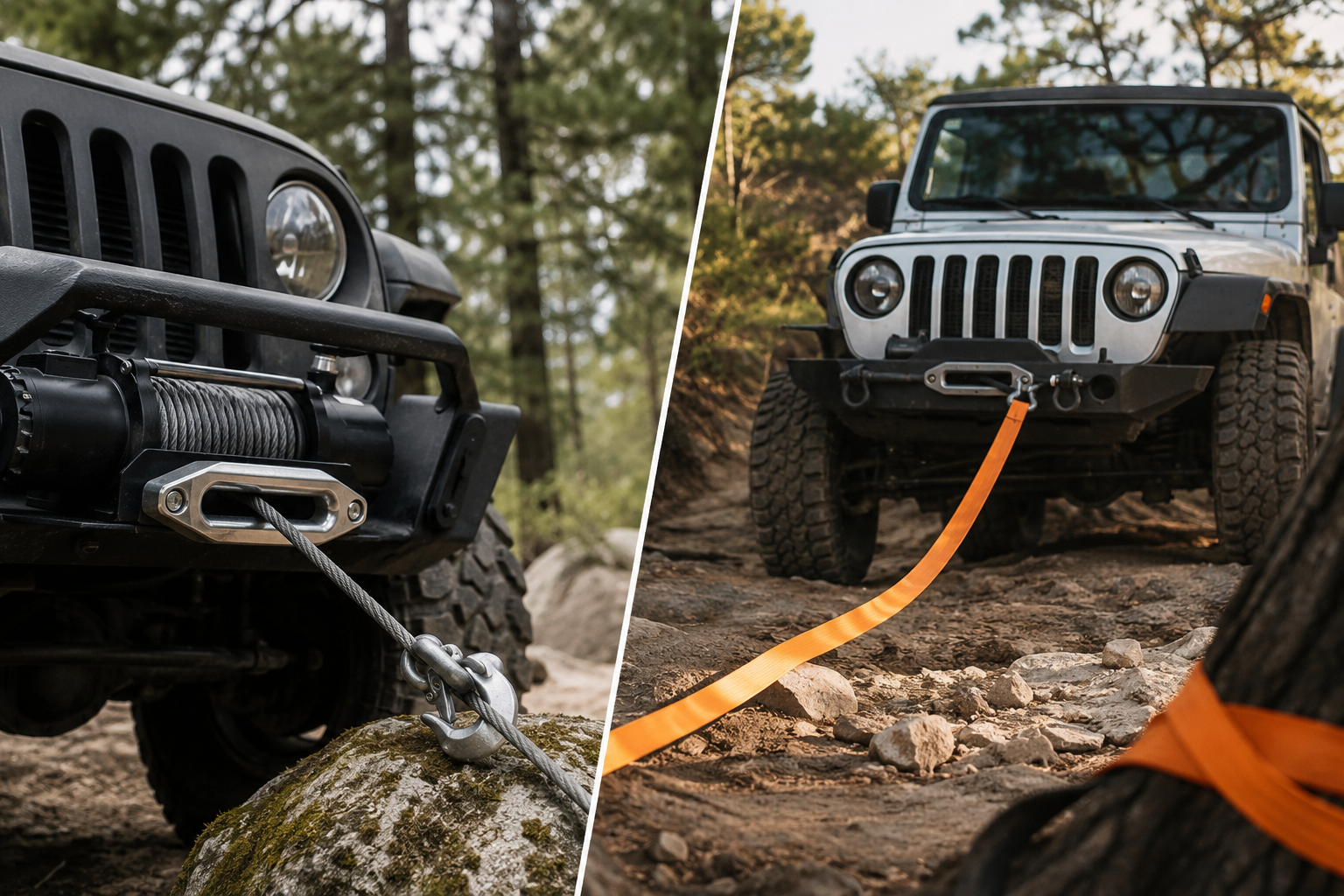
- Tow strap
- D-rings or shackles
- Full-size spare tire
- Tire pressure gauge
- Water and snacks
- Basic tool kit
Recommended Upgrades:
- All-terrain tires
- Recovery gear kit
- Portable air compressor
If you’re unsure what you need, we can help you get set up:
Jeep Services – https://www.mtnjeeps.com/jeep-services
Why Start at a Private Off-Road Park?
Your first experience matters. Public trails can be unpredictable, crowded, and intimidating.
At Mountain Adventure Outfitters, we offer:
- Beginner-friendly trails
- Controlled terrain
- On-site help and guidance
- Safe environment to learn
You can practice, make mistakes, and improve—without the pressure of a crowded trail system.
FAQs About Beginner Off-Roading
Can I off-road with a stock Jeep?
Yes. Many beginner trails are designed for stock 4x4 vehicles. You can upgrade later as your skills grow.
Is off-roading dangerous?
It can be if done incorrectly. But with proper preparation, slow driving, and the right environment, it’s very safe.
Should I go alone?
It’s better to go with a group or visit a controlled park. Having help nearby makes a big difference.
How do I know if a trail is too hard?
Start easy and work your way up. If something looks too difficult, trust your instincts and take a bypass.
Build Confidence the Right Way
Off-roading is one of the most rewarding ways to use your Jeep—but it’s also a skill you develop over time. The more you practice, the more confident you’ll become.
Starting in the right environment, with the right guidance, makes all the difference.
At Mountain Adventure Outfitters, we’re here to help you:
- Learn safely
- Build your skills
- Upgrade your Jeep when you’re ready
- Connect with the off-road community
Ready for Your First Trail Ride?
- Beginner-friendly off-road trails
- On-site guidance and support
- Jeep inspections and upgrades
- Private campground access
Call Today: (706) 482-0022
Book Your First Ride: https://www.mtnjeeps.com/adventure-club
Get Your Jeep Trail-Ready: https://www.mtnjeeps.com/jeep-services