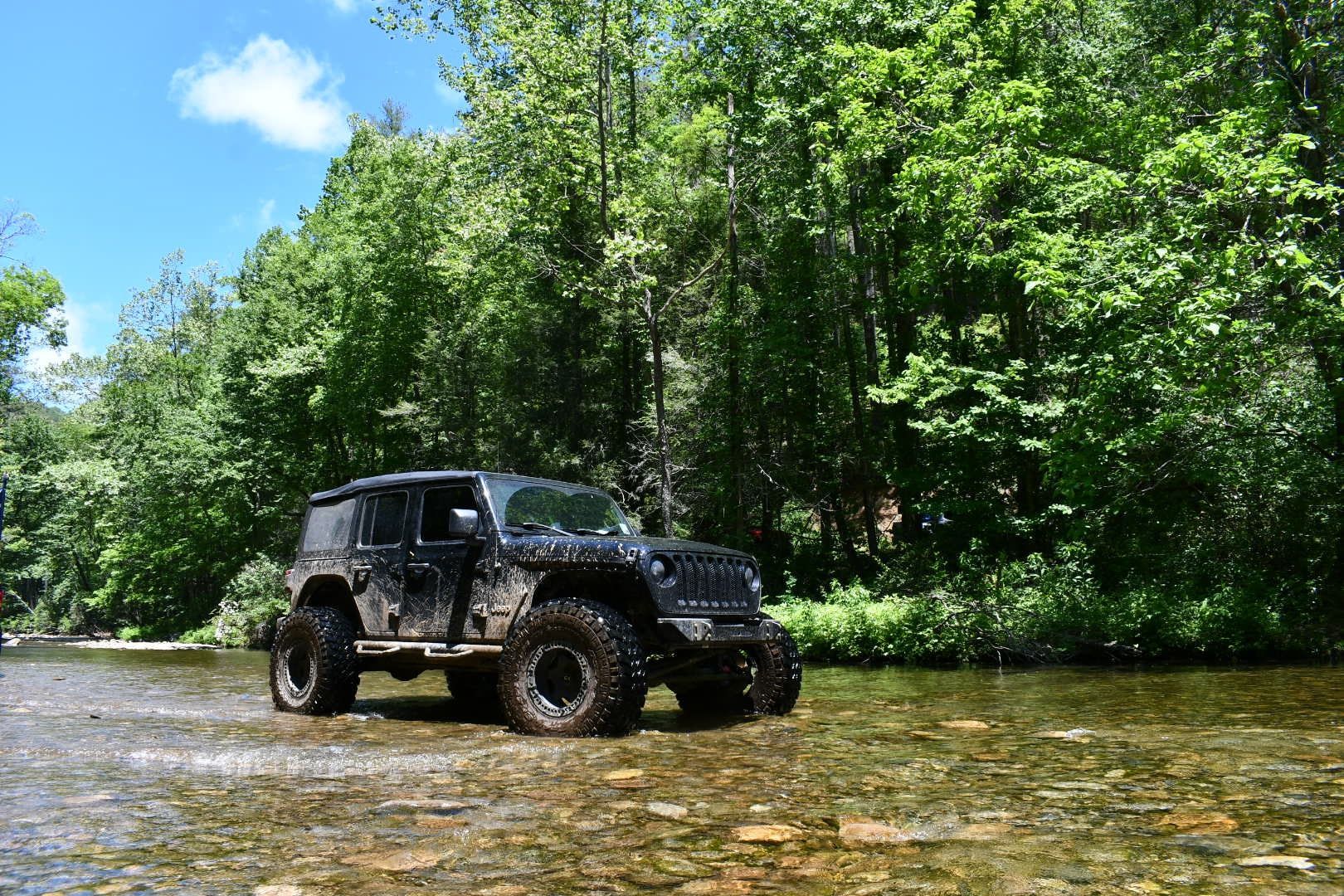
If you plan on taking your Jeep off-road in North Georgia, one thing is guaranteed—you’re going to need recovery gear at some point. Whether it’s mud, rocks, steep climbs, or unexpected terrain, getting stuck is part of the experience.
The real question isn’t
if you’ll need recovery gear—it’s what kind.
Two of the most common tools are winches and recovery straps. Both are essential, but they serve very different purposes. Understanding when and how to use each can make the difference between a quick recovery and a long, frustrating day on the trail.
At Mountain Adventure Outfitters, we help Jeep owners build recovery setups that actually work in real-world conditions. Let’s break it down.
What Is a Winch?
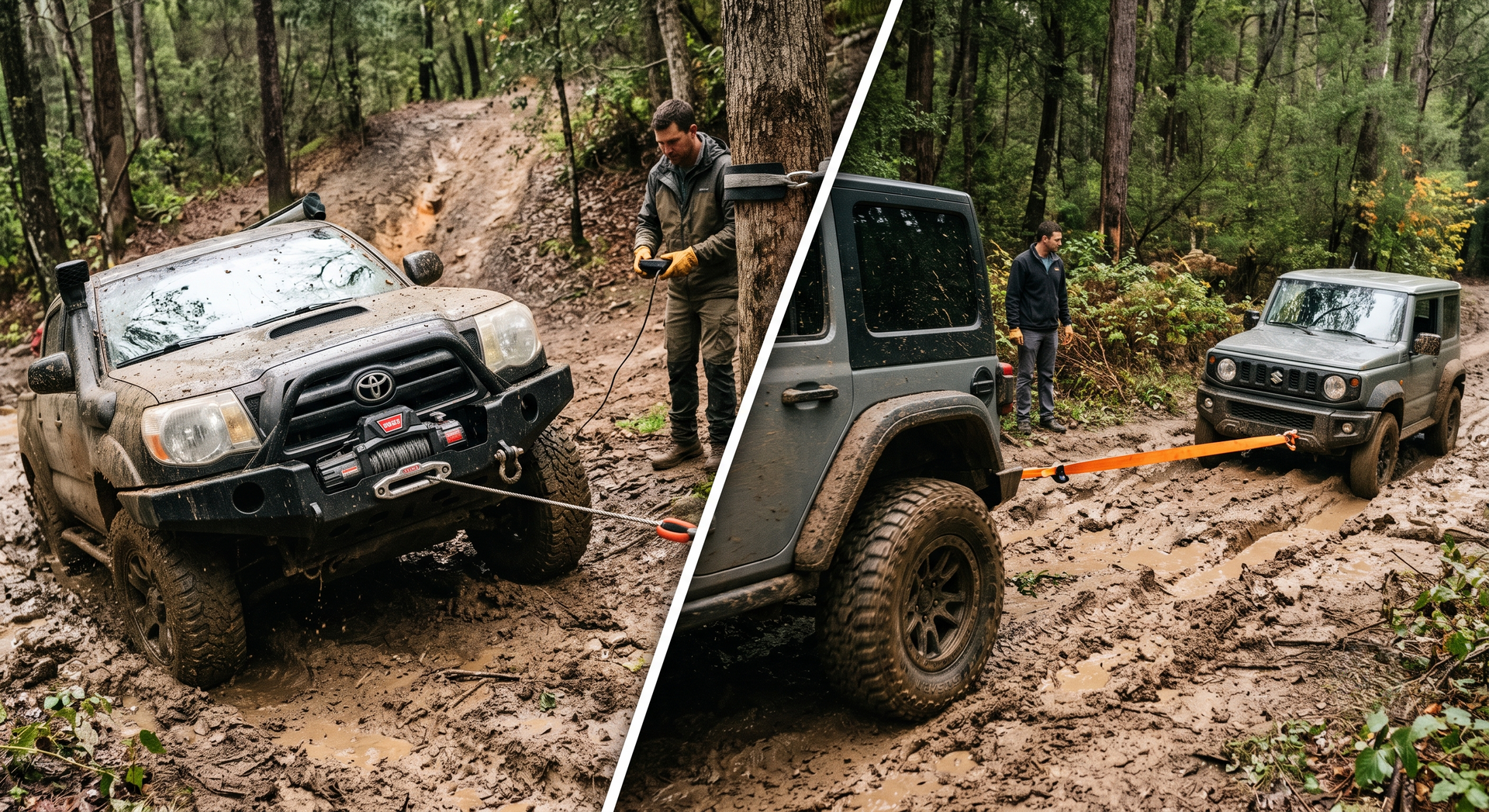
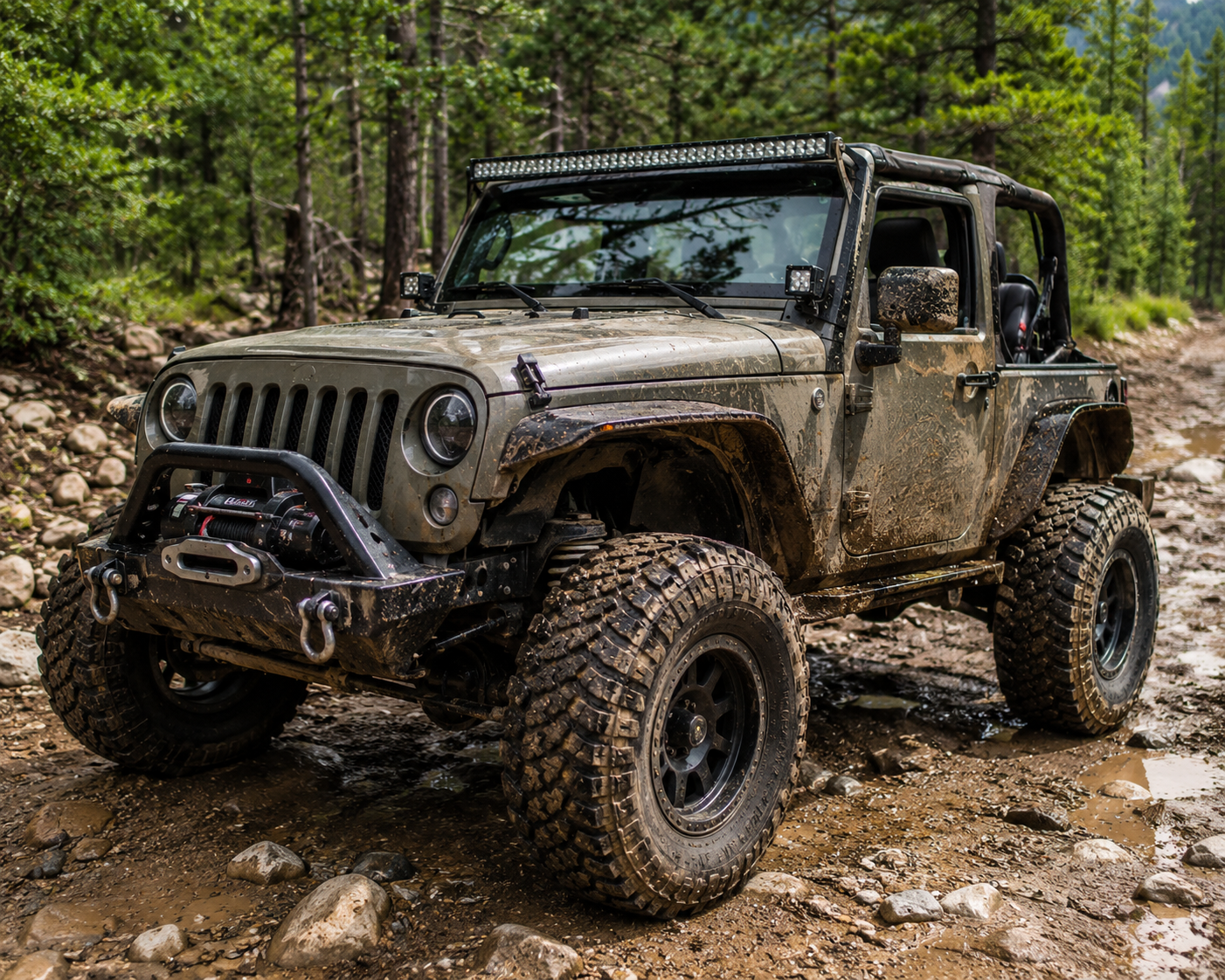
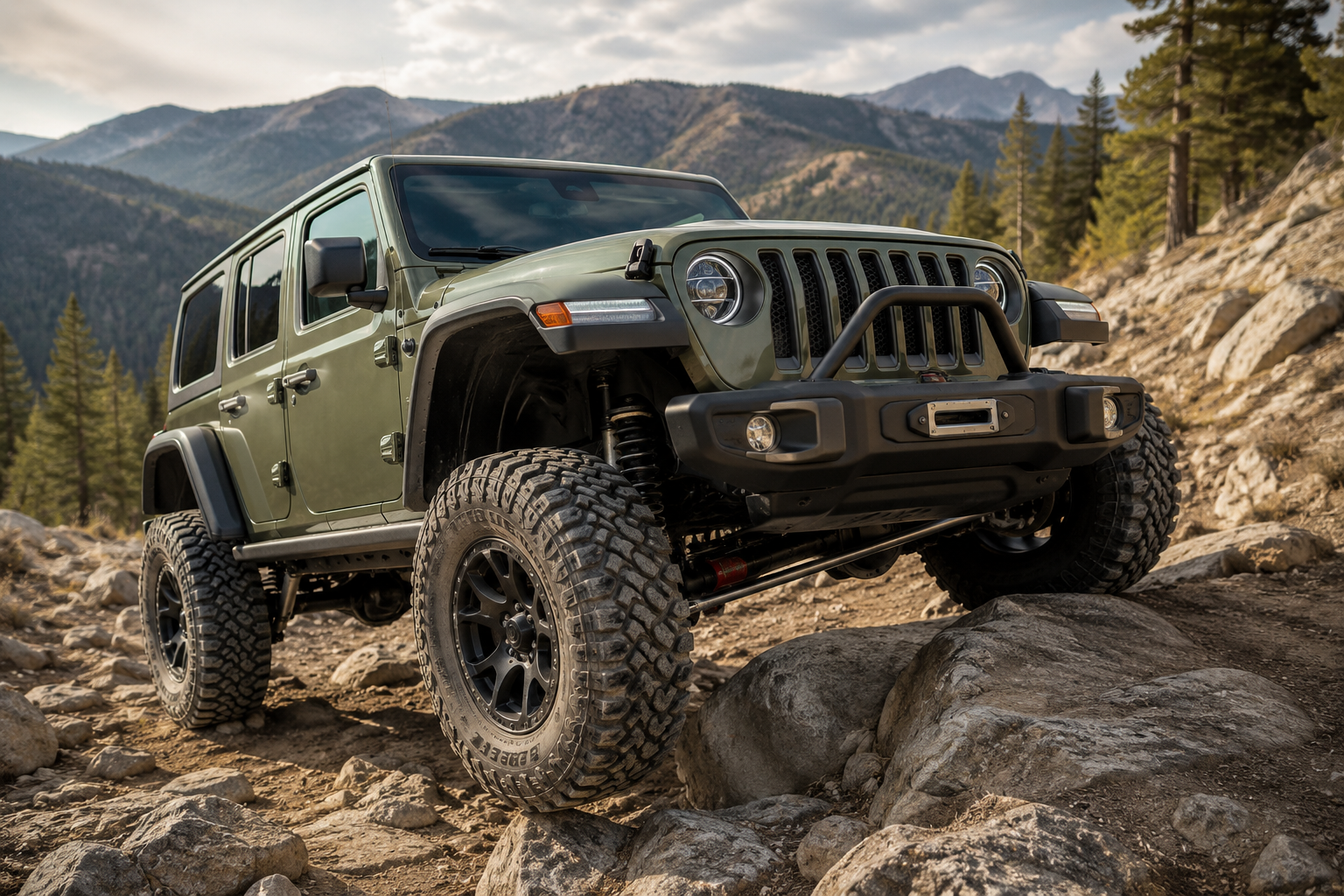
A winch is a motorized device mounted to the front (or rear) of your Jeep. It uses a cable or synthetic rope to pull your vehicle—or another vehicle—out of a stuck position.
Key Components:
- Electric motor
- Steel cable or synthetic rope
- Control system (wired or wireless remote)
- Mounting plate (usually on a steel bumper)
What Are Recovery Straps?
Recovery straps (also called tow straps or kinetic ropes) are heavy-duty straps designed to pull a stuck vehicle using another vehicle.
Types of Straps:
- Tow straps (non-elastic): For controlled pulling
- Kinetic recovery ropes (elastic): Stretch and snap back to help free stuck vehicles
- Tree saver straps: Used with winches to anchor safely
Winch vs. Recovery Straps: Key Differences
1. Self-Recovery vs. Assisted Recovery
Winch:
- Allows self-recovery
- You don’t need another vehicle
- Ideal for solo off-roading
Recovery Straps:
- Require a second vehicle
- Faster in group settings
- Not useful if you're alone
2. Control and Precision
Winch:
- Slow, controlled pulling
- Ideal for technical recoveries
- Safer for difficult situations
Straps:
- Faster, more forceful
- Less precision
- Requires coordination between drivers
3. Cost and Setup
Winch:
- $400–$1,500+
- Requires installation
- Needs wiring and mounting
Straps:
- $50–$200
- No installation required
- Easy to store and use
4. Versatility
Winch:
- Works in almost any situation
- Can pull forward, backward (with rigging), or at angles
- Ideal for extreme terrain
Straps:
- Best for simple pulls
- Limited to vehicle-to-vehicle recovery
- Less effective in technical terrain
When Should You Use a Winch?
A winch is your best option when:
- You’re off-roading alone
- You’re stuck in deep mud or sand
- You need controlled, slow recovery
- There’s no easy access for another vehicle
- You’re on steep terrain or obstacles
Example:
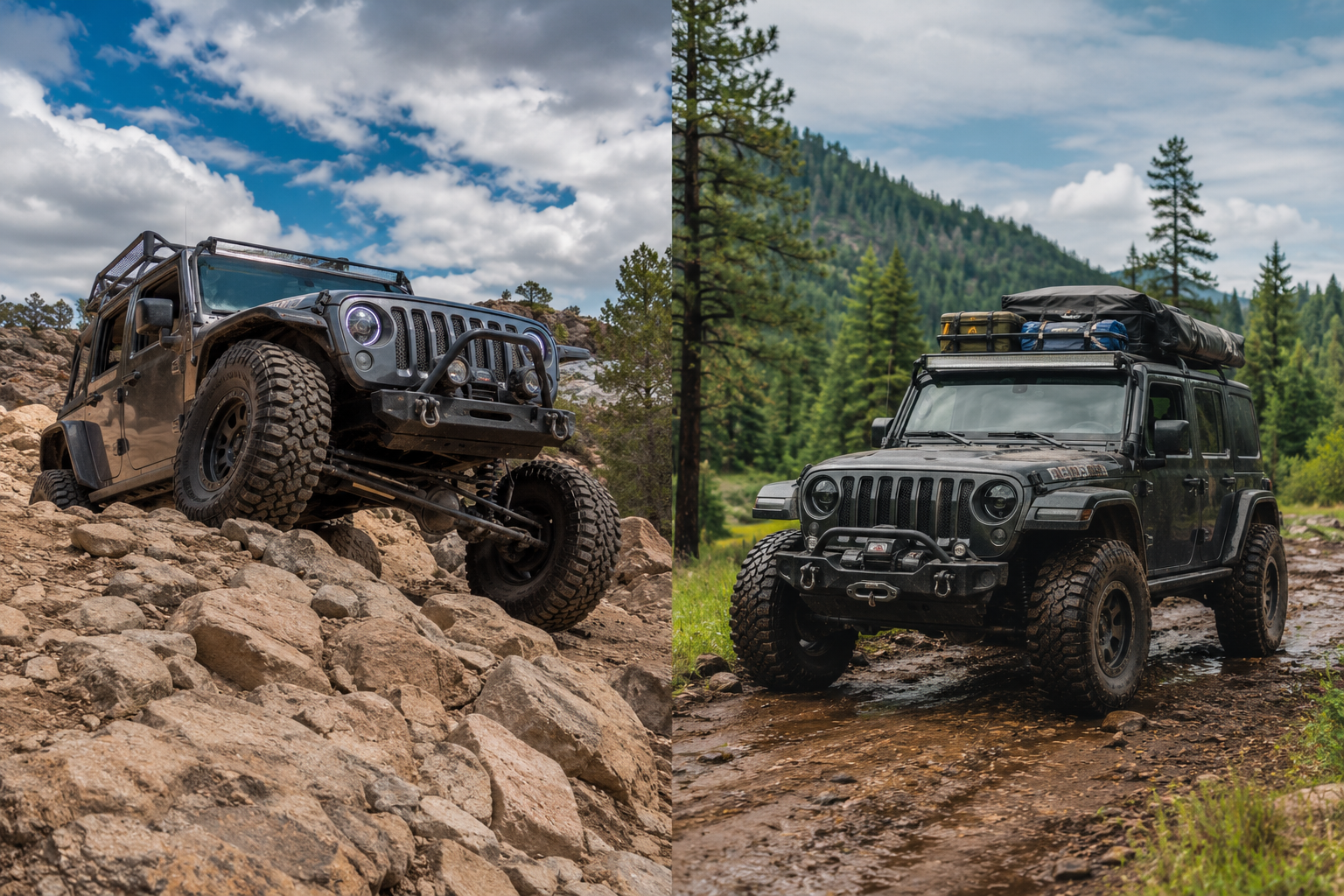
You’re halfway up a rocky climb and lose traction. A winch allows you to slowly pull yourself up without sliding backward.
When Should You Use Recovery Straps?
Recovery straps are ideal when:
- You’re riding with a group
- The stuck vehicle isn’t deeply buried
- There’s room for another vehicle to assist
- You need a quick recovery
Example:
Your Jeep is stuck in light mud. Another Jeep can pull you out quickly using a kinetic rope.
Why Most Jeep Owners Need BOTH
Here’s the truth: this isn’t an either/or situation.
The best setup includes:
- A winch for self-recovery and technical situations
- Recovery straps for faster, easier pulls with others
At Mountain Adventure Outfitters, we recommend every off-roader carry:
- Tow strap or kinetic rope
- D-rings or soft shackles
- Basic recovery kit
And for serious trail use—a winch is a game-changer.
Winch Setup: What You Need to Know
If you're installing a winch, consider:
Synthetic Rope vs. Steel Cable
Synthetic Rope:
- Lighter and safer
- Easier to handle
- Floats in water
Steel Cable:
- More durable in harsh conditions
- Requires gloves to handle safely
Most modern Jeep builds use synthetic rope for safety and convenience.
Proper Mounting Matters
Your winch must be mounted to:
- A rated steel bumper
- A secure mounting plate
Improper mounting can fail under load—this is not something to cut corners on.
Recovery Strap Safety Tips
Using straps incorrectly can be dangerous.
Always:
- Use rated recovery points (never a hitch ball)
- Keep people clear of the strap
- Communicate clearly between drivers
- Use gloves when handling gear
Never:
- Attach to weak or unknown points
- Use damaged or frayed straps
- Stand near a loaded strap under tension
Common Mistakes to Avoid
1. Relying Only on Straps
If you off-road alone, this leaves you stuck without options.
2. Buying Cheap Recovery Gear
Low-quality gear can fail under pressure.
3. Not Practicing Recovery Techniques
Knowing how to use your gear is just as important as having it.
Practice in a Safe Environment
Recovery isn’t something you want to learn for the first time when you're stuck.
At our private off-road park, you can:
- Practice winching
- Learn strap recovery
- Test your gear safely
- Get hands-on guidance
FAQs About Jeep Recovery Gear
Do I need a winch as a beginner?
Not immediately—but if you plan to off-road regularly or go solo, it’s a smart investment.
What’s the best recovery strap to buy?
A kinetic recovery rope is the most versatile option for most Jeep owners.
Can I install a winch myself?
You can, but professional installation ensures proper wiring, mounting, and safety.
Is a winch worth the cost?
If you off-road frequently—especially alone—it absolutely is.
Be Prepared Before You Hit the Trail
Recovery gear isn’t just about convenience—it’s about safety and confidence.
The right setup allows you to:
- Explore more challenging terrain
- Avoid getting stranded
- Help others on the trail
- Protect your Jeep from damage
At Mountain Adventure Outfitters, we’ll help you build a recovery system that fits your driving style and terrain.
Ready to Upgrade Your Recovery Setup?
We offer:
- Winch installation
- Recovery gear packages
- Bumper upgrades
- Trail testing and training
Call Today: (706) 482-0022
Get Equipped: https://www.mtnjeeps.com/jeep-services
Practice on Trails: https://www.mtnjeeps.com/adventure-club