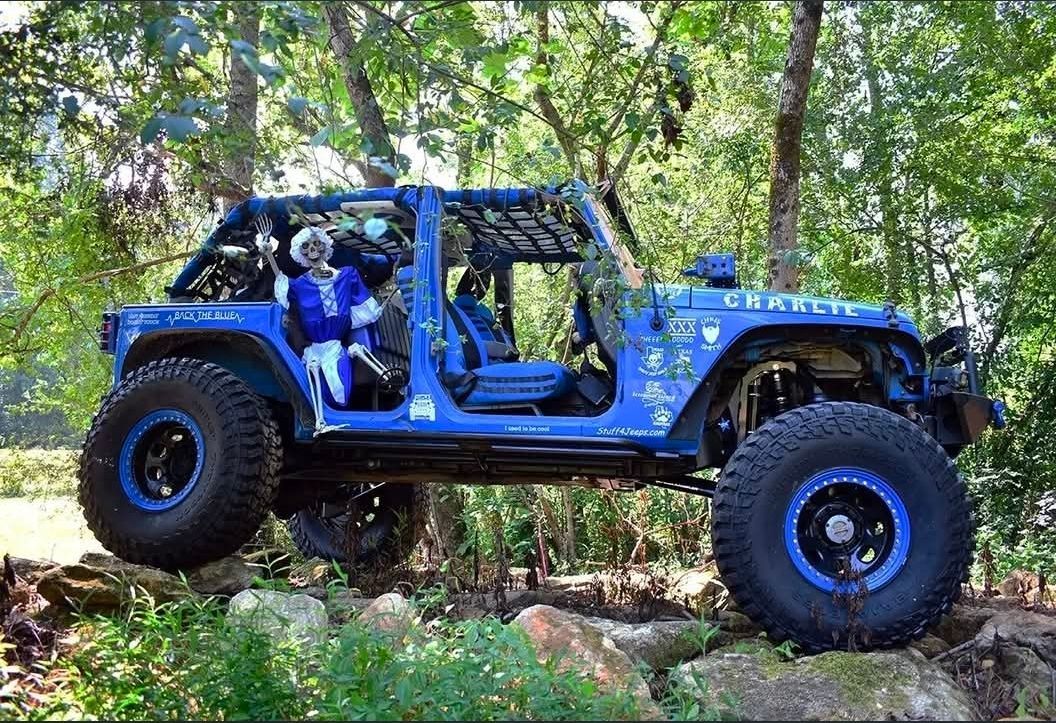
Off-roading isn’t just about having the right Jeep—it’s about knowing how to drive it.
North Georgia trails throw a little bit of everything at you: slick mud, rocky climbs, and unpredictable water crossings. Each type of terrain requires a different approach, and learning how to handle them properly can dramatically improve your performance, safety, and confidence on the trail.
At Mountain Adventure Outfitters, we regularly coach Jeep owners through real-world terrain on our private trails. In this guide, you’ll learn exactly how to handle mud, rocks, and water like a pro.
The Foundation: Control Over Speed
Before we get into terrain-specific techniques, here’s the rule that applies to everything:
Slow is smooth. Smooth is fast.
Off-roading is not about speed—it’s about:
If your tires are spinning wildly or you're bouncing through obstacles, you're doing it wrong.
Driving Through Mud
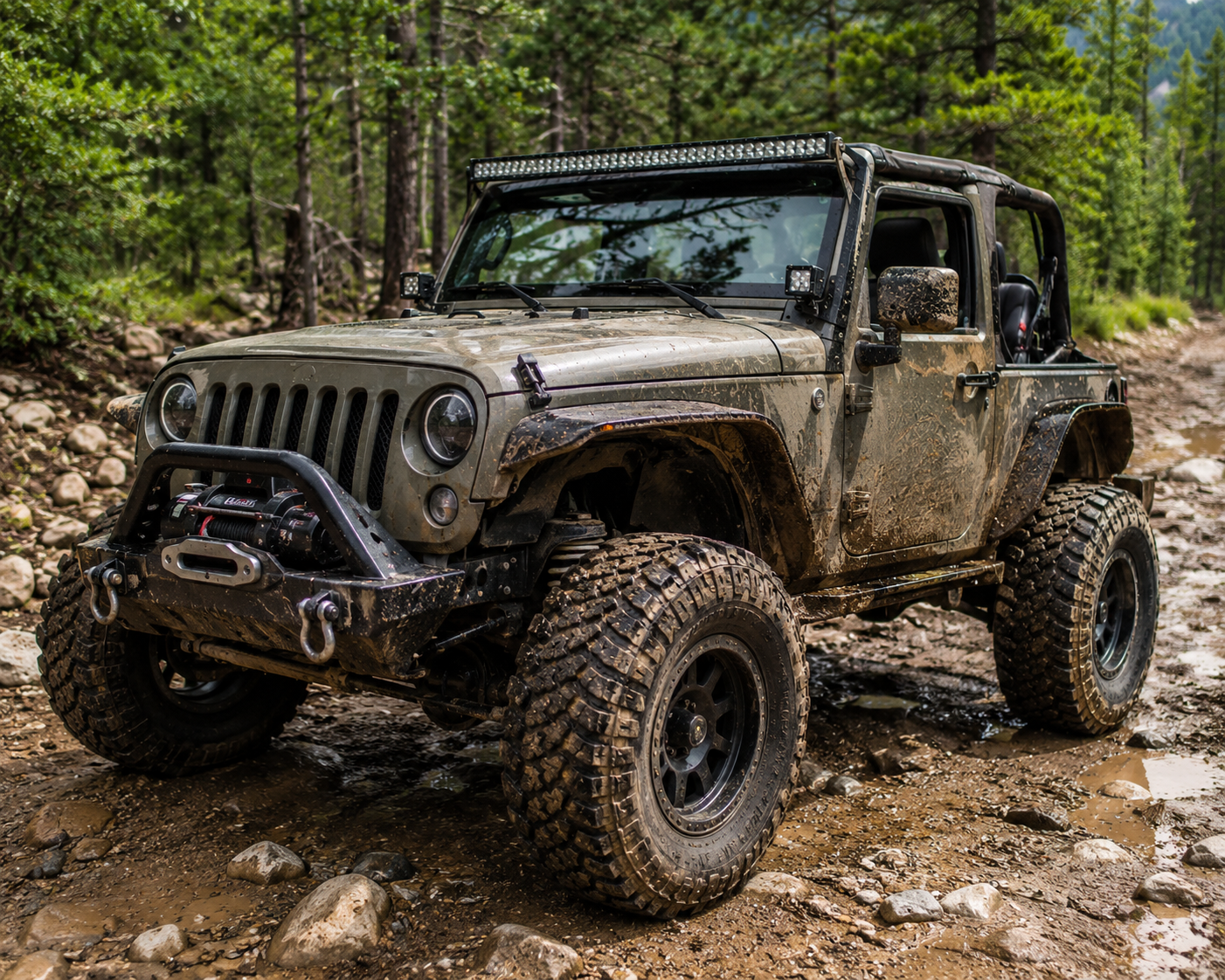
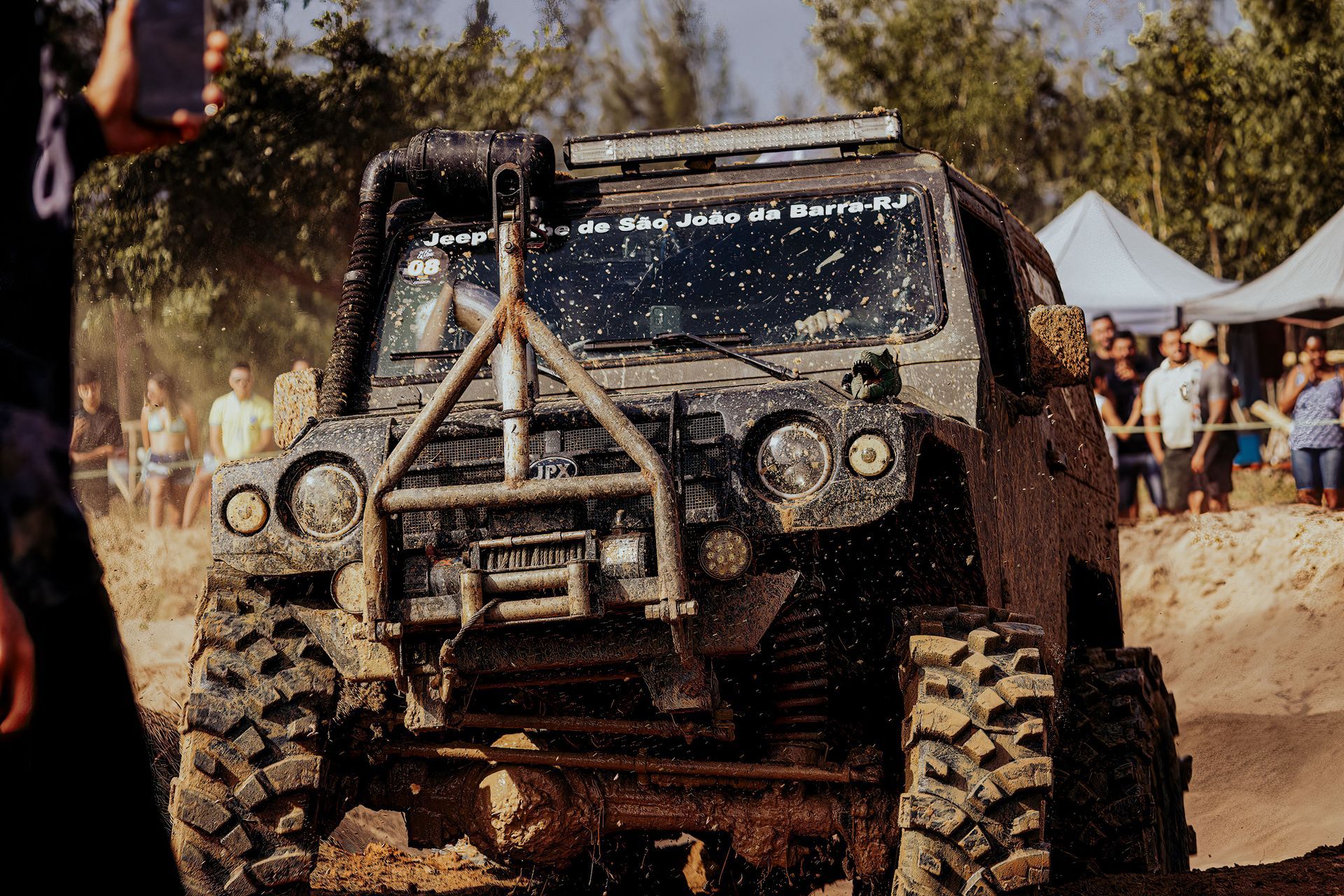
Mud is one of the most common—and tricky—conditions in North Georgia.
The Goal:
Maintain momentum without losing control.
How to Drive in Mud
1. Use 4H (or 4L if it’s deep)
- Light mud: 4H
- Deep or thick mud: 4L
2. Keep Steady Momentum
Don’t stop in the middle of a mud pit unless absolutely necessary. Consistent throttle keeps you moving.
3. Avoid Spinning Tires Excessively
Too much throttle will:
- Dig you deeper
- Reduce traction
- Make recovery harder
4. Stay in Existing Tracks (Sometimes)
Ruts can help guide your tires—but be careful not to get stuck in deep ones.
Common Mud Mistakes
- Flooring the gas pedal
- Stopping mid-section
- Turning sharply (causes loss of traction)
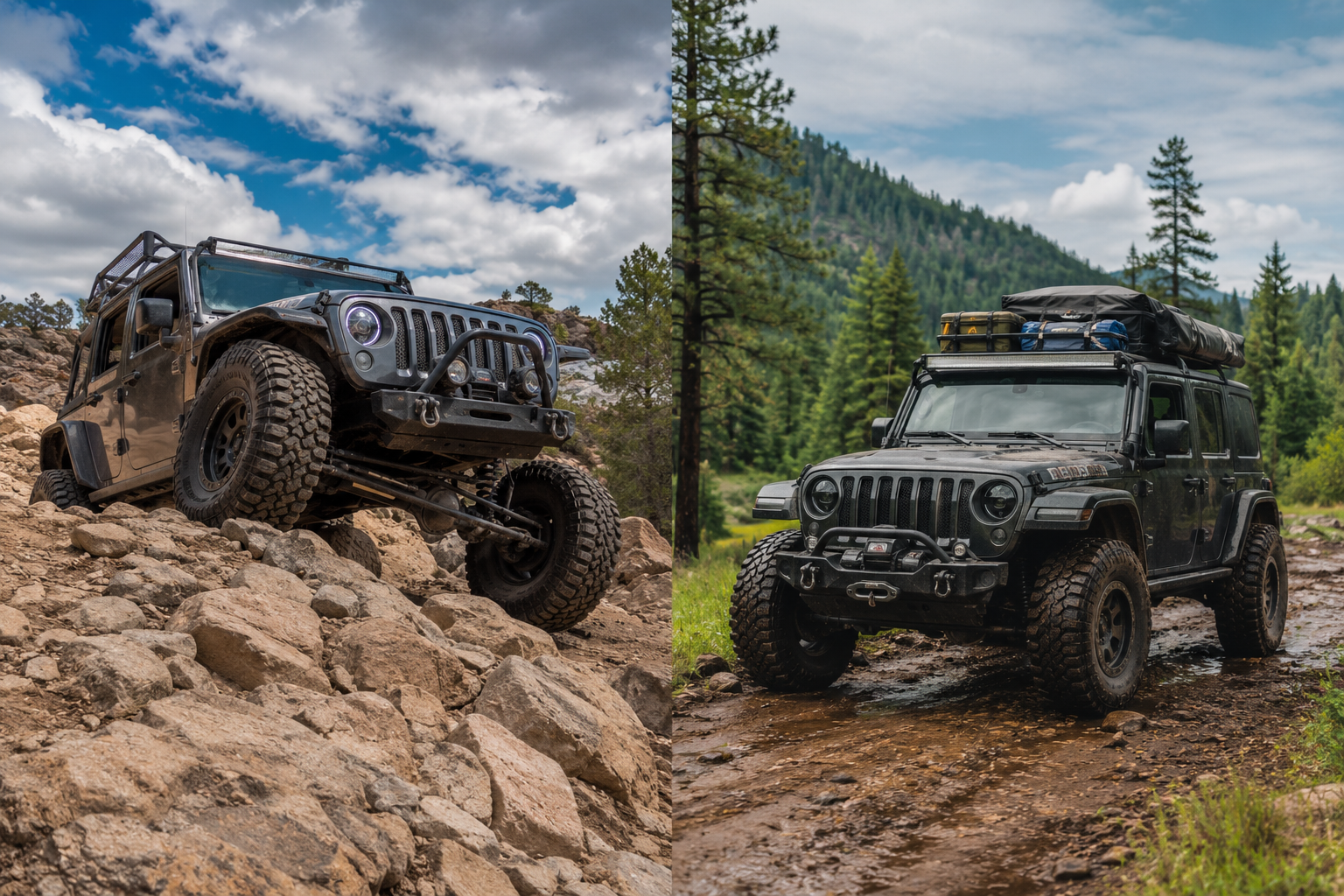
Driving Over Rocks
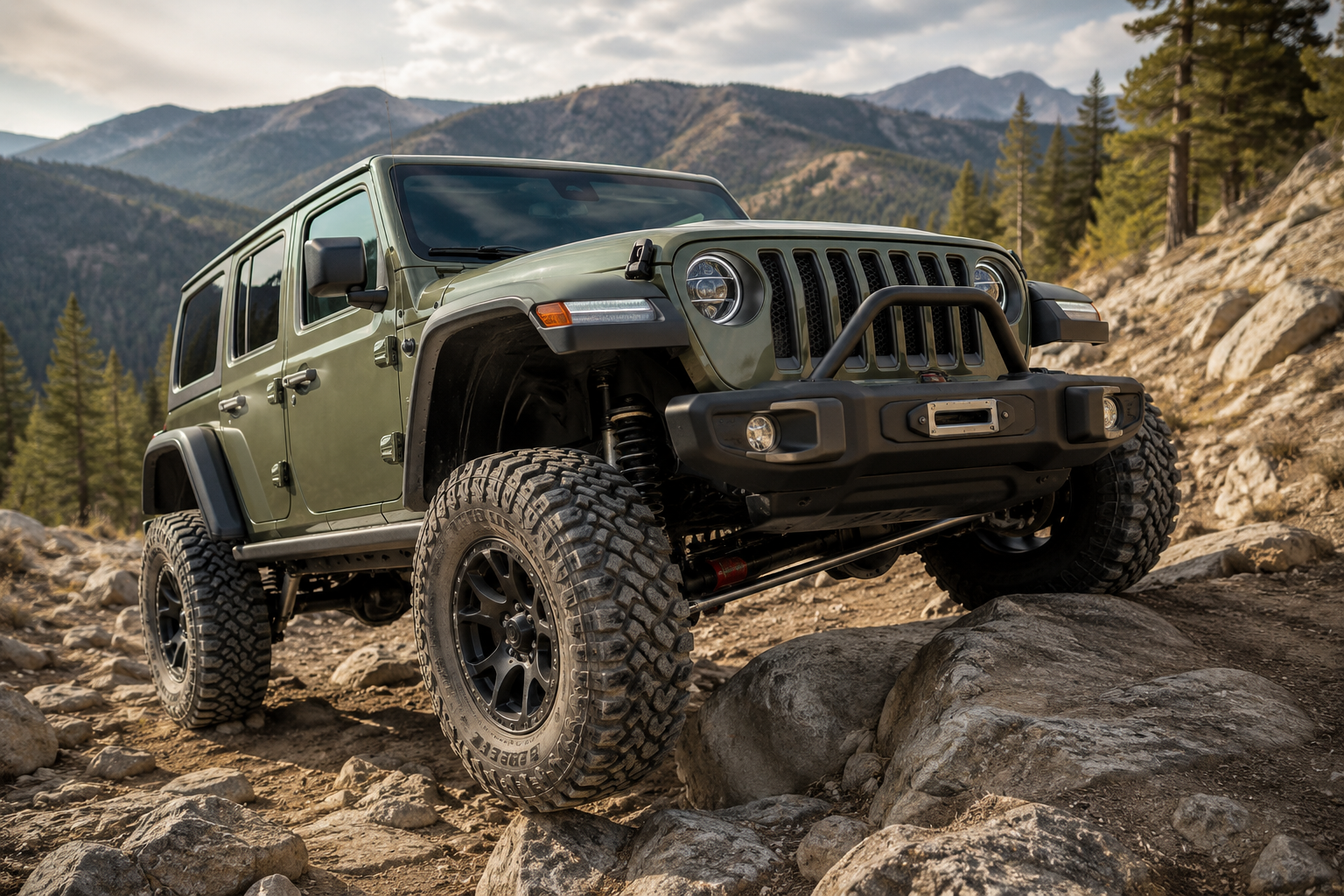
Rock driving (or rock crawling) is all about precision.
The Goal:
Maintain control and protect your Jeep.
How to Drive on Rocks
1. Always Use 4L
This gives you maximum torque and control.
2. Go Slow—Crawl, Don’t Climb
Let your Jeep do the work. Avoid sudden throttle inputs.
3. Pick Your Line Carefully
- Keep tires on high points
- Avoid hitting your undercarriage
- Watch for sharp edges
4. Use a Spotter
A second set of eyes is incredibly helpful for:
- Tire placement
- Avoiding damage
- Navigating tight spaces
Common Rock Mistakes
- Driving too fast
- Ignoring line selection
- Not using a spotter
- Forgetting about ground clearance
Driving Through Water
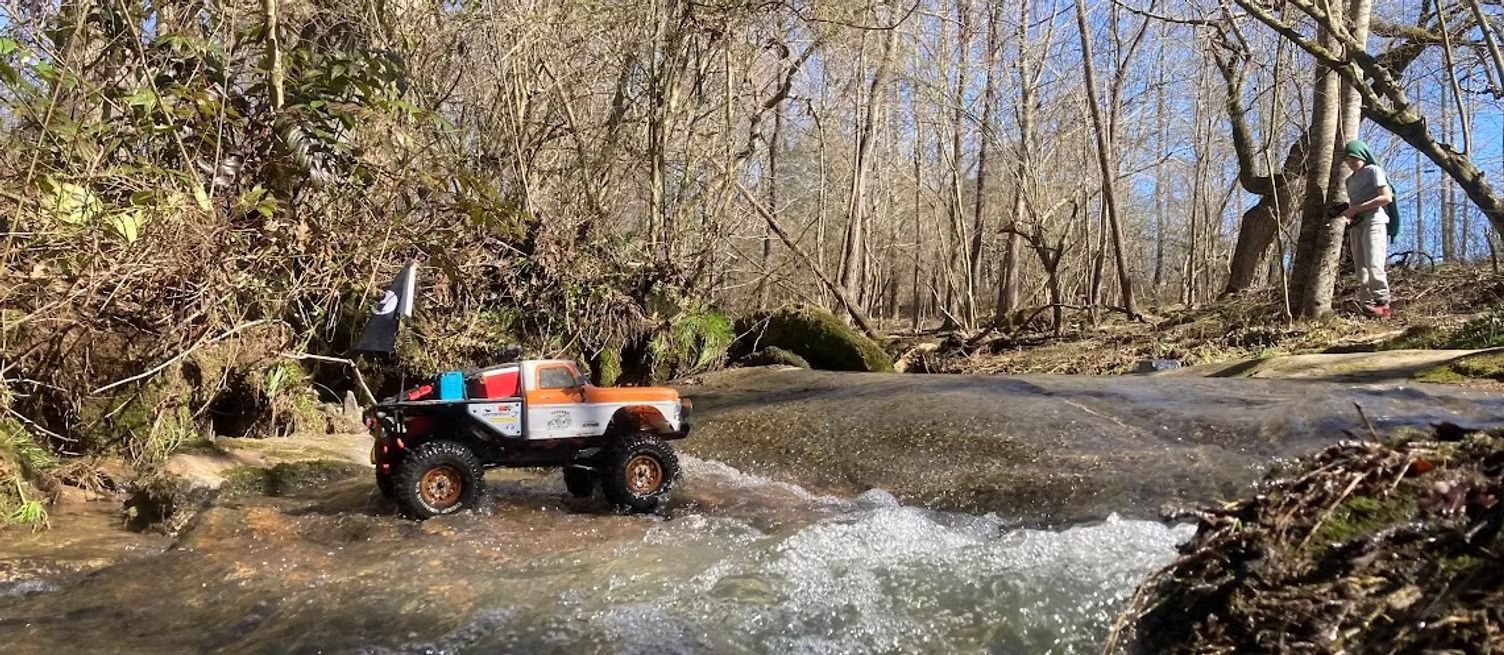
Water crossings can be fun—but they can also be risky if done incorrectly.
The Goal:
Cross safely without damaging your Jeep.
Before You Enter the Water
Always check:
- Depth
- Current (if applicable)
- Bottom surface (mud, rock, sand)
If you can’t see the bottom—don’t guess.
How to Drive Through Water
1. Use 4L for Control
Especially in deeper crossings.
2. Enter Slowly
Create a small “bow wave” in front of your Jeep.
3. Maintain Steady Speed
Don’t stop in the middle. Keep moving at a controlled pace.
4. Avoid Splashing
Too much splash can:
- Flood your engine bay
- Damage electrical components
After the Crossing
- Lightly apply brakes to dry them
- Check for unusual noises
- Inspect fluids if water was deep
Common Water Mistakes
- Entering too fast
- Not checking depth
- Stopping mid-crossing
- Ignoring electrical risks
Tire Pressure: Your Secret Weapon
No matter the terrain, tire pressure plays a huge role.
Why Air Down?
Lower tire pressure:
- Increases traction
- Improves ride comfort
- Helps tires conform to terrain
Recommended Range:
- 12–18 PSI for most off-road conditions
Just remember to air back up before driving on pavement.
When to Use 4H vs. 4L
Use 4H for:
- Dirt roads
- Light mud
- Faster trail sections
Use 4L for:
- Rocks
- Deep mud
- Steep climbs
- Water crossings
When in doubt, choose control—use 4L.
Recovery Awareness
Even experienced drivers get stuck.
Be Prepared With:
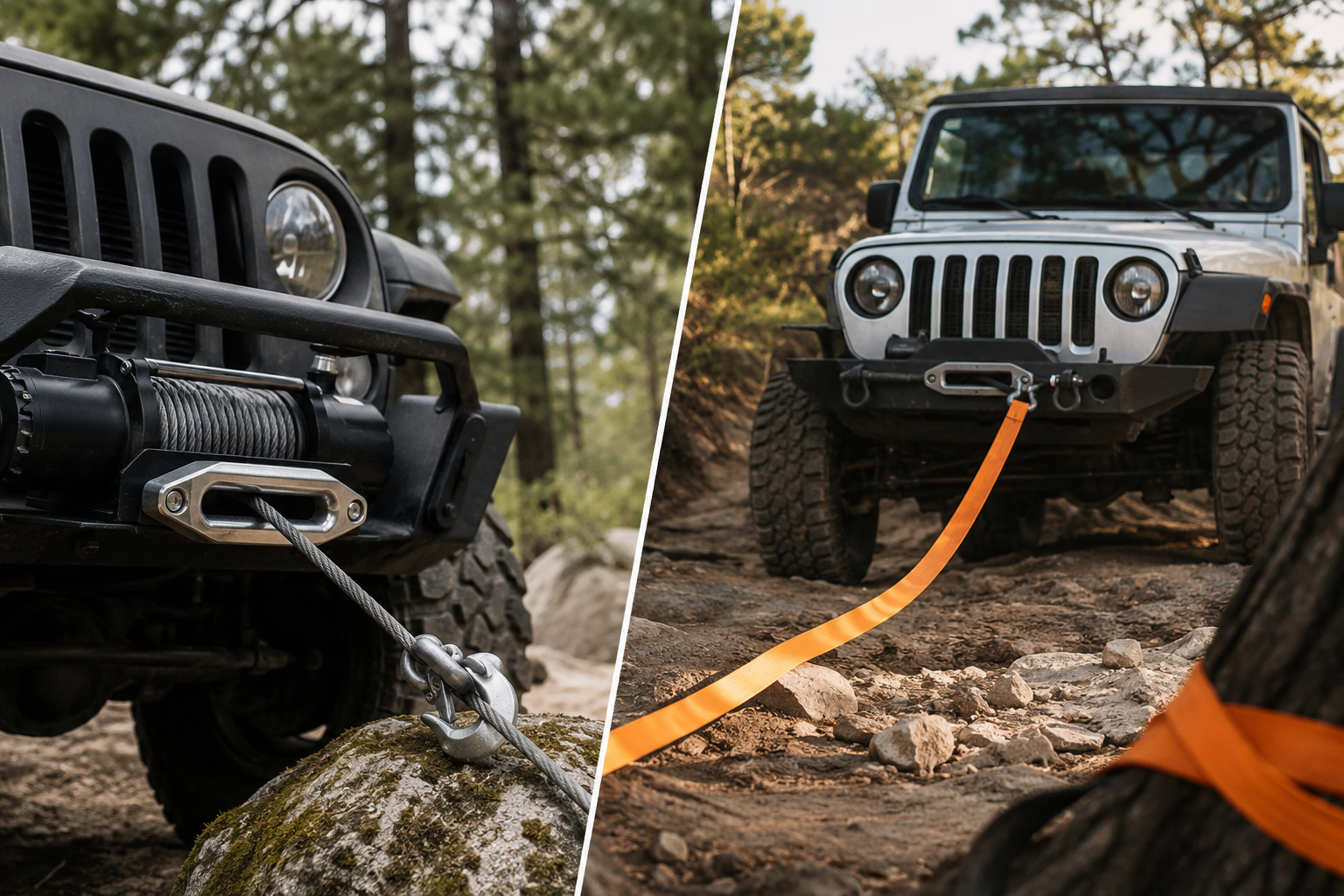
- Tow strap or kinetic rope
- Shackles
- Winch (recommended for solo driving)
Knowing how to recover is just as important as knowing how to drive.
Practice Makes Perfect
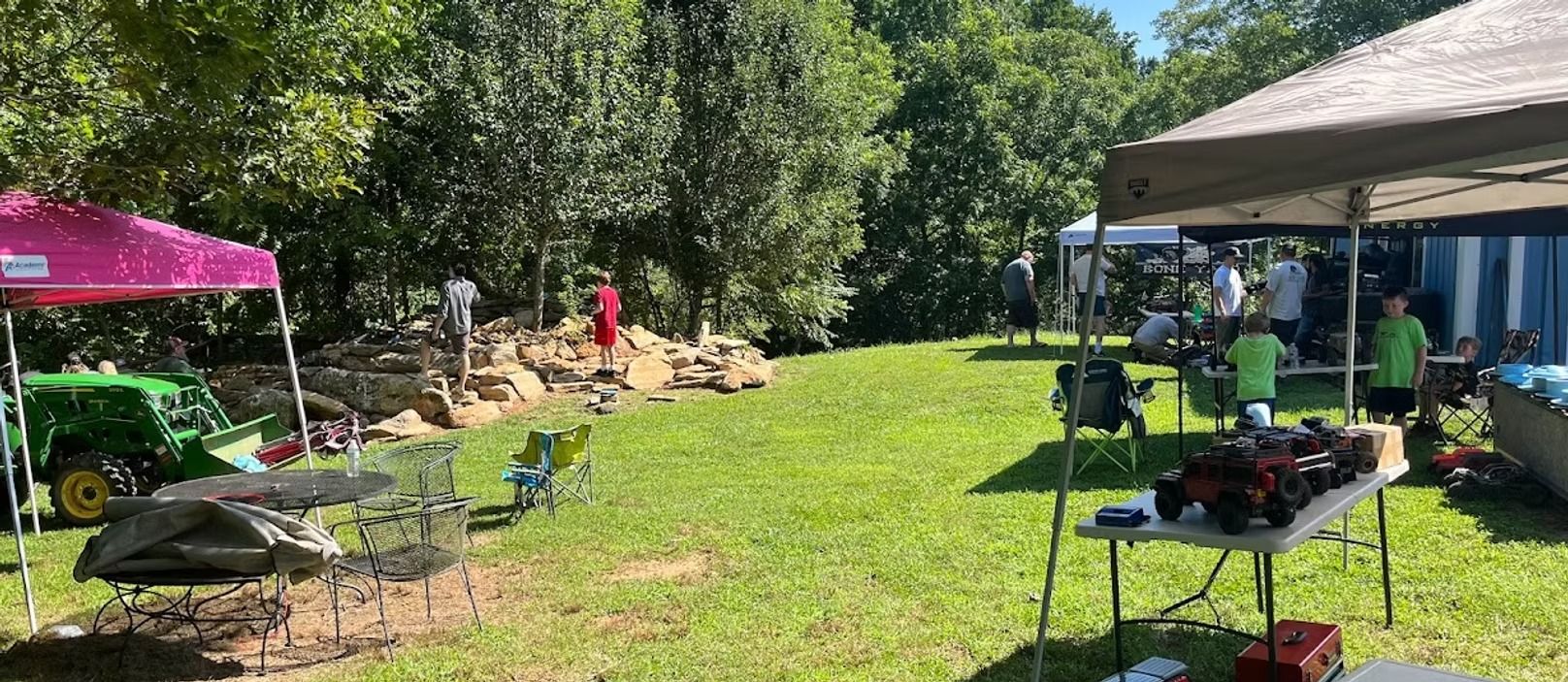
The best way to improve is to practice in a controlled environment.
At Mountain Adventure Outfitters, you can:
- Drive through mud, rocks, and water safely
- Practice techniques repeatedly
- Get guidance from experienced drivers
- Build confidence before hitting public trails
FAQs About Off-Road Driving
What’s the hardest terrain for beginners?
Mud is often the trickiest because traction changes quickly.
Do I need special tires?
All-terrain tires are a great start. Mud-terrain tires offer better grip in tougher conditions.
Can I damage my Jeep in water?
Yes—especially if water enters the engine or electrical systems. Always check depth first.
How do I improve quickly?
Practice, go slow, and learn from experienced drivers.
Drive Smarter, Not Harder
Off-roading is a skill—and like any skill, it improves with time, practice, and the right guidance.
When you learn how to handle different terrain types properly, you’ll:
- Avoid getting stuck
- Reduce damage to your Jeep
- Drive with confidence
- Enjoy every trail more
Ready to Master the Trails?
At Mountain Adventure Outfitters, we offer:
- Private trails with varied terrain
- Skill-building opportunities
- Jeep upgrades and support
- Beginner-friendly environment
Call Today: (706) 482-0022
Practice on Real Terrain:
https://www.mtnjeeps.com/adventure-club
Upgrade Your Jeep:
https://www.mtnjeeps.com/jeep-services