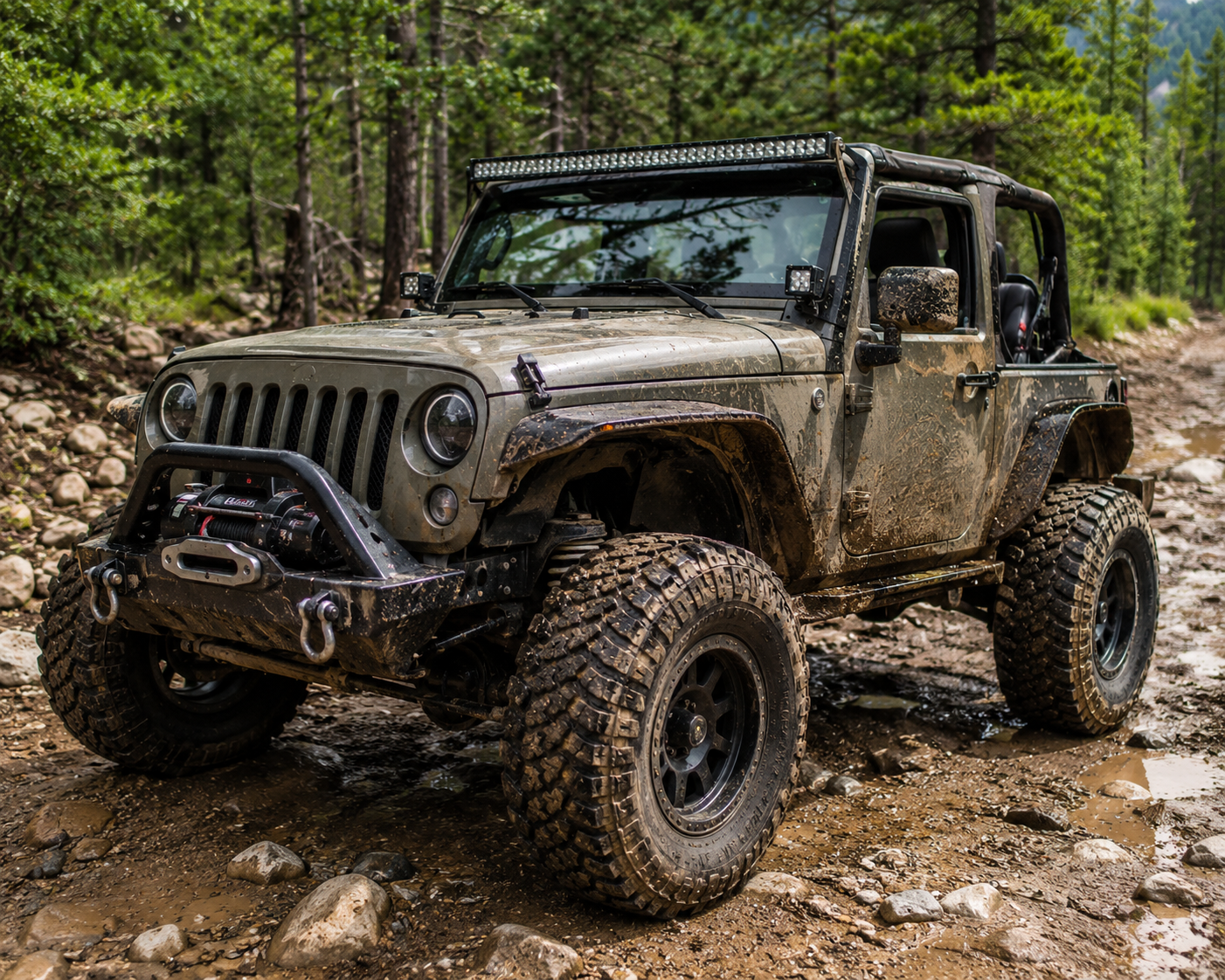
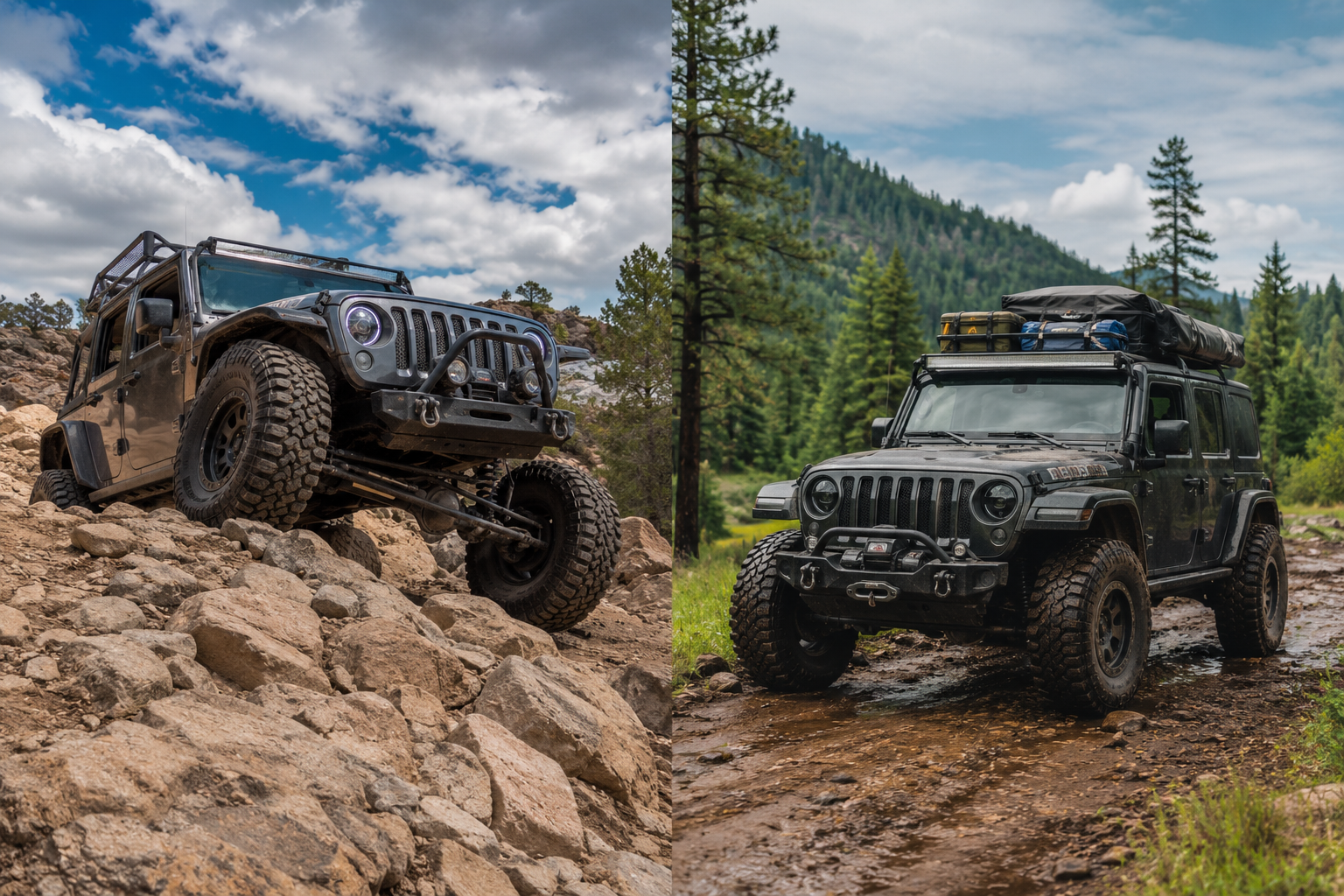
If you’ve spent any time in the Jeep world, you’ve probably seen builds loaded with every mod imaginable—massive lifts, oversized tires, light bars everywhere, and accessories that look impressive but don’t always serve a real purpose.
Here’s the truth:
not every Jeep mod is worth your money.
In fact, some upgrades can actually make your Jeep perform worse, reduce reliability, or cost you more in the long run.
At Mountain Adventure Outfitters, we take a different approach. We focus on
purpose-built upgrades—mods that actually improve your off-road experience in North Georgia terrain.
Let’s break down the most common Jeep mods you
don’t need—and what you should invest in instead.
1. Oversized Lift Kits (For Most Drivers)
The Problem:
Many Jeep owners jump straight to 4”–6” lift kits because they want an aggressive look.
Why It’s Overkill:
- Raises center of gravity
- Reduces stability
- Requires expensive supporting upgrades
- Not necessary for most trails
What to Do Instead:
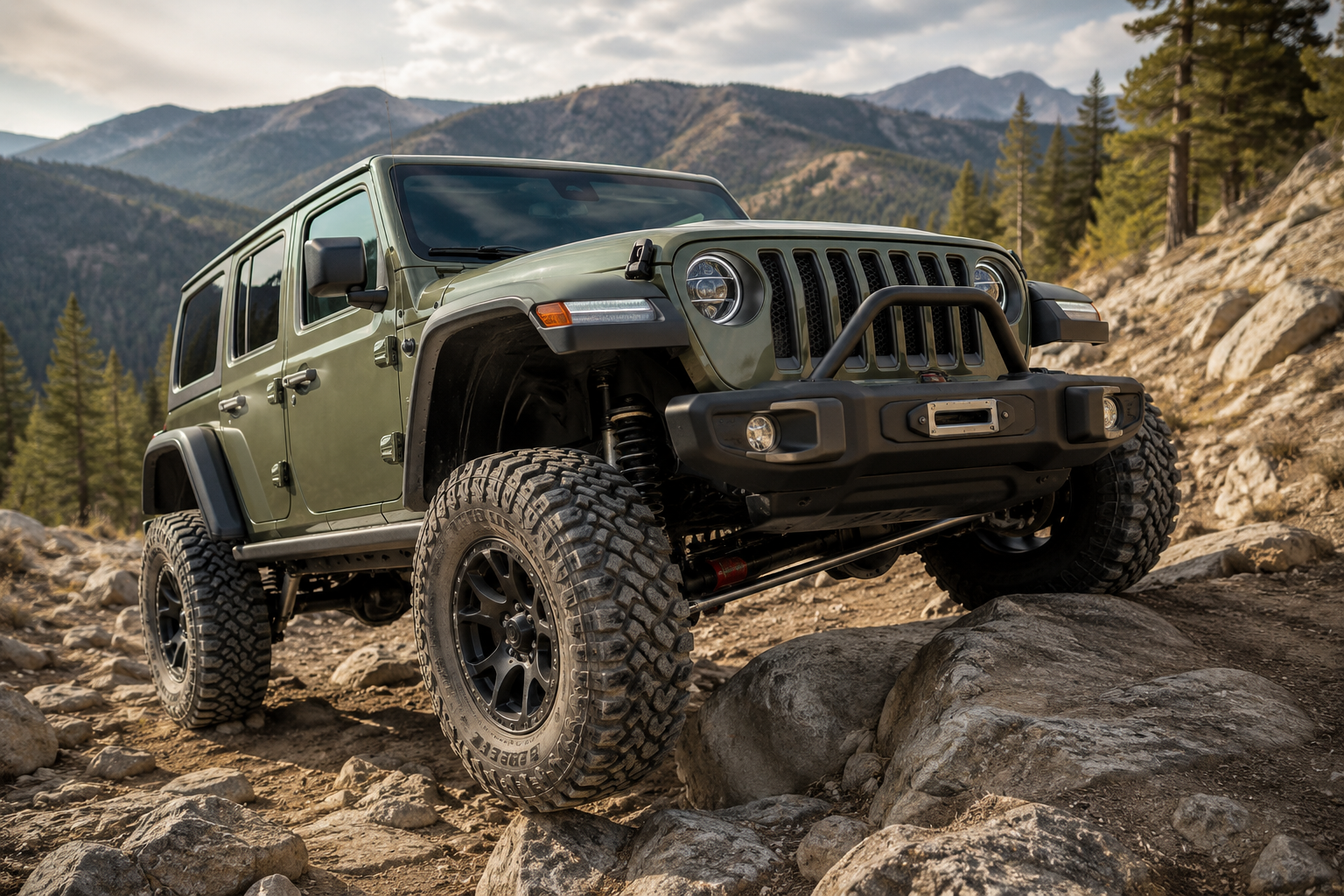
A
2.5”–3.5” lift is ideal for:
- 33”–35” tires
- Better handling
- Real-world trail performance
This setup handles nearly all North Georgia terrain without unnecessary complexity.
2. 37”+ Tires (Too Soon)
The Problem:
Big tires look great—but they come with serious trade-offs.
Why You May Not Need Them:
- Expensive (tires + supporting mods)
- Requires regearing
- Adds stress to axles, brakes, and steering
- Reduces fuel efficiency
What to Do Instead:
33”–35” tires provide:
- Excellent traction
- Better balance
- Lower cost
- Less strain on your Jeep
For most drivers, 35s are the sweet spot.
3. Cheap Light Bars Everywhere
The Problem:
Lighting is one of the most overdone (and misused) mods.
Why It’s Not Always Necessary:
- Many trails don’t require excessive lighting
- Cheap light bars often fail quickly
- Overuse can drain your battery
What to Do Instead:
Invest in:
- Quality LED lighting
- Proper placement (ditch lights, fog lights)
- Reliable wiring setup
Less is more when it comes to lighting.
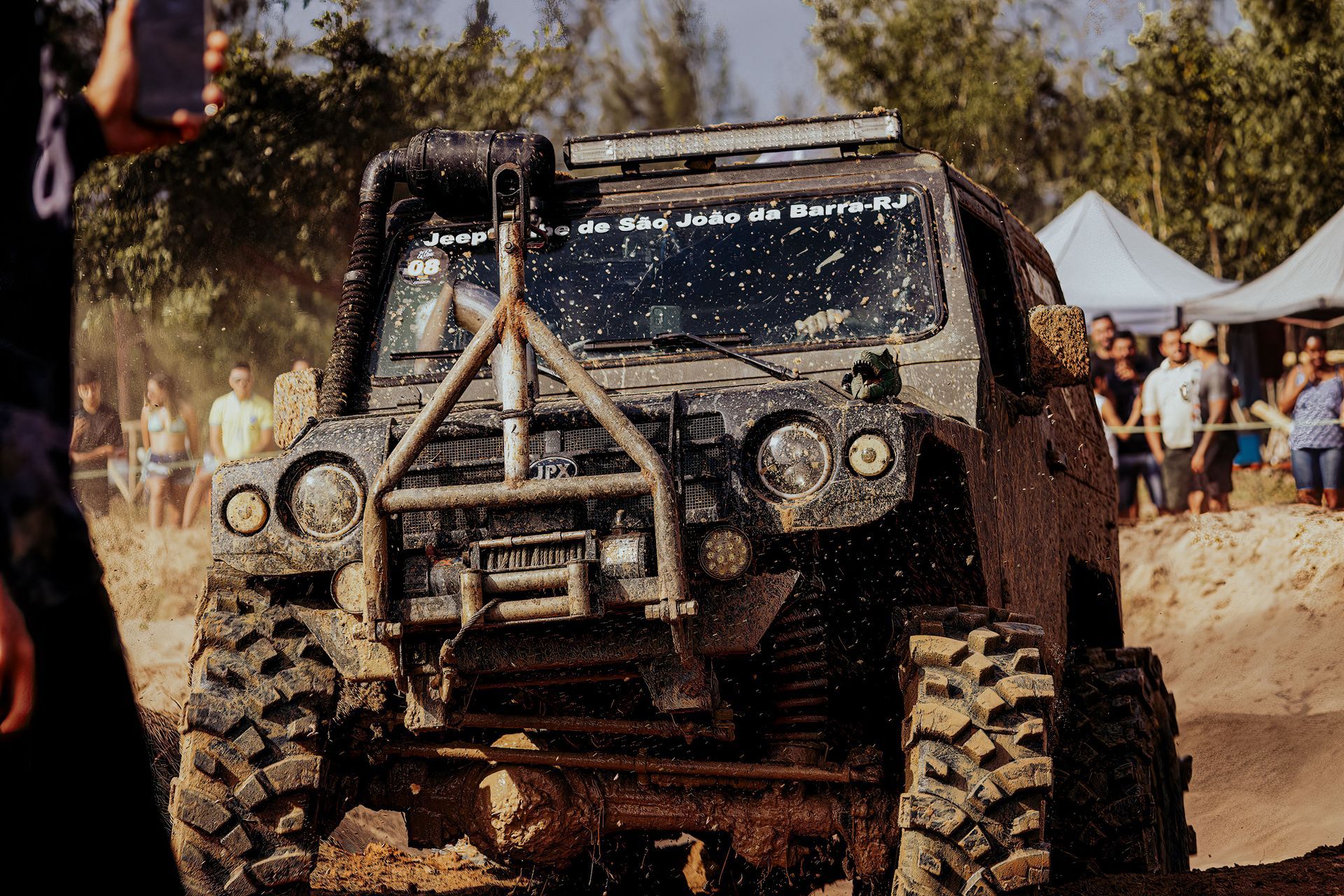
4. Snorkels (For Most Situations)
The Problem:
Snorkels look rugged—but most Jeep owners never actually need them.
Why It’s Unnecessary:
- Most water crossings aren’t deep enough
- Improper installation can cause issues
- Adds cost without real benefit
What to Do Instead:
Focus on:
- Learning safe water crossing techniques
- Avoiding deep or unknown water
- Maintaining seals and electrical components
5. Full Armor (If You’re Not Rock Crawling)
The Problem:
Heavy-duty armor adds weight—and not everyone needs it.
Why It’s Overkill:
- Reduces fuel efficiency
- Adds stress to suspension
- Not needed for light to moderate trails
What to Do Instead:
Install:
- Skid plates (essential areas)
- Rock sliders (if doing moderate trails)
Protect what matters—without overloading your Jeep.
6. Dual Batteries (Too Early)
The Problem:
Dual battery systems are popular in overlanding builds.
Why You May Not Need It:
- Most drivers don’t run enough electronics
- Adds complexity and cost
What to Do Instead:
Start with:
- A high-quality main battery
- Proper wiring for accessories
Upgrade only when your power needs increase.
7. Overloaded Roof Racks
The Problem:
Roof racks are useful—but many are overloaded with gear.
Why It’s a Problem:
- Raises center of gravity
- Affects handling
- Adds unnecessary weight
What to Do Instead:
Keep it simple:
- Carry only essential gear
- Store heavier items inside your Jeep
- Use racks for lightweight items
8. Fancy Accessories You Never Use
The Problem:
It’s easy to buy gear that looks cool but never gets used.
Examples:
- Decorative tools
- Excess storage bags
- Unnecessary mounts
What to Do Instead:
Ask yourself:
- Will I use this regularly?
- Does it improve performance or safety?
If the answer is no—skip it.
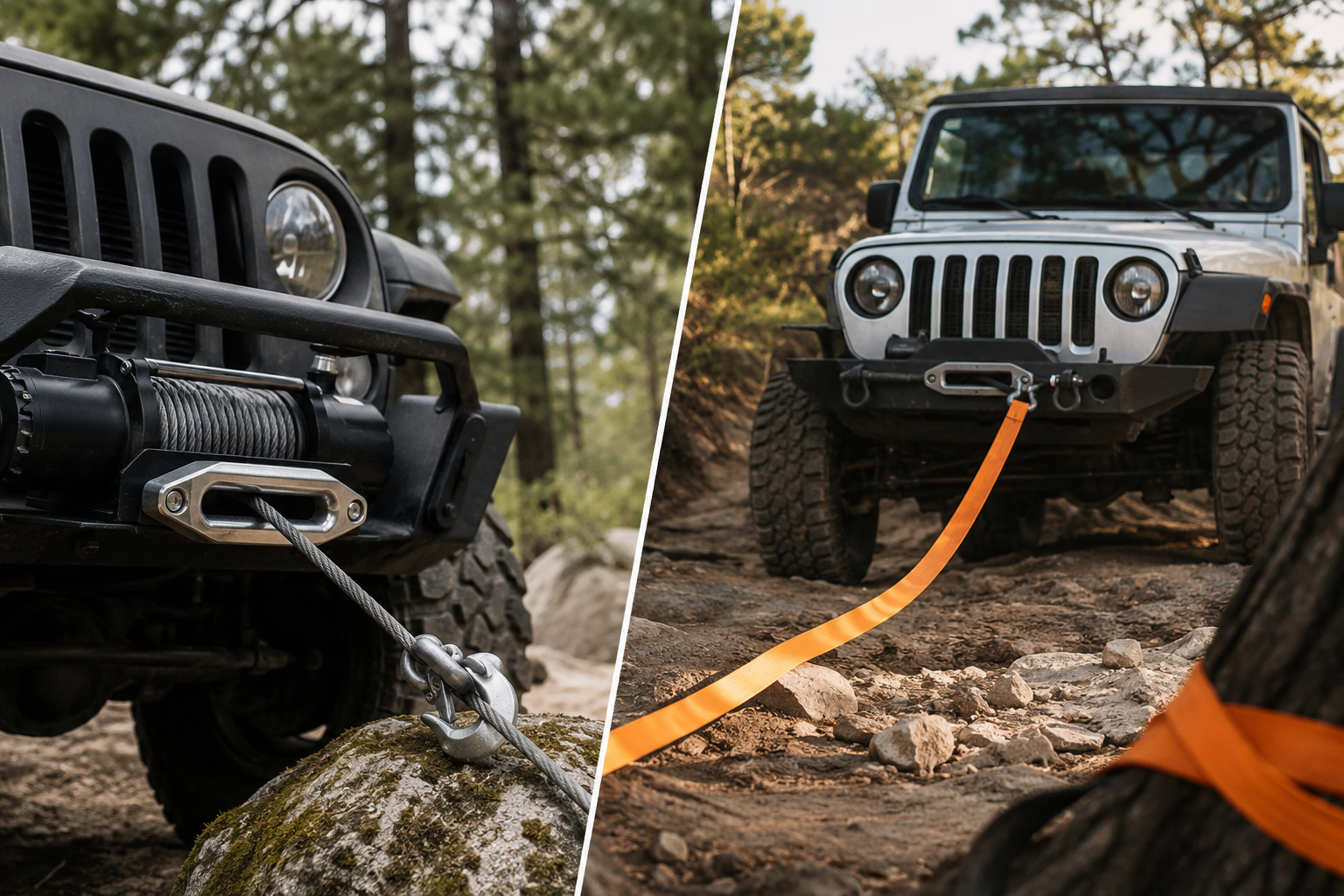
9. Ignoring Recovery Gear
Here’s the irony: many Jeep owners overspend on cosmetic mods but skip essentials.
What You Actually NEED:
- Tow strap or kinetic rope
- Shackles
- Winch (for serious off-roading)
This is one area where you should never cut corners.
10. Modding Without a Plan
This is the biggest mistake of all.
The Problem:
Random upgrades lead to:
- Poor performance
- Wasted money
- Compatibility issues
What to Do Instead:
Build your Jeep in stages:
- Tires
- Suspension
- Recovery gear
- Protection
- Advanced upgrades
A structured plan saves money and improves results.
What You SHOULD Invest In First
If you want real performance, start here:
1. Tires
The single biggest upgrade for traction and capability.
2. Suspension (Moderate Lift)
Improves clearance, comfort, and control.
3. Recovery Gear
Essential for safety and confidence.
4. Driver Skill
The most overlooked “upgrade” of all.
Why Smart Builds Matter
A well-built Jeep isn’t about having the most mods—it’s about having the
right mods.
When you build smart, you get:
- Better performance
- Lower long-term costs
- Improved reliability
- More enjoyable trail experiences
FAQs About Jeep Mods
What’s the most unnecessary mod?
Oversized lifts and tires for drivers who don’t need them.
What’s the best first upgrade?
Tires—hands down.
How do I avoid wasting money?
Work with experienced professionals and build in stages.
Can too many mods hurt performance?
Absolutely. Poorly planned builds often perform worse than stock setups.
Build With Purpose
Your Jeep should reflect how you actually drive—not just what looks good online.
At Mountain Adventure Outfitters, we focus on:
- Practical upgrades
- Real-world performance
- Local terrain expertise
- Long-term reliability
We’ll help you build a Jeep that works—not one that just looks the part.
Ready to Build Smarter?
We offer:
- Custom build consultations
- Suspension and tire packages
- Recovery gear installation
- Trail testing and support
Call Today: (706) 482-0022
Start Your Build:
https://www.mtnjeeps.com/jeep-services
Test Your Setup:
https://www.mtnjeeps.com/adventure-club